September is the critical month for preventing leatherjackets, a destructive pest. Expert insights on signs and prevention methods are vital for a thriving lawn.
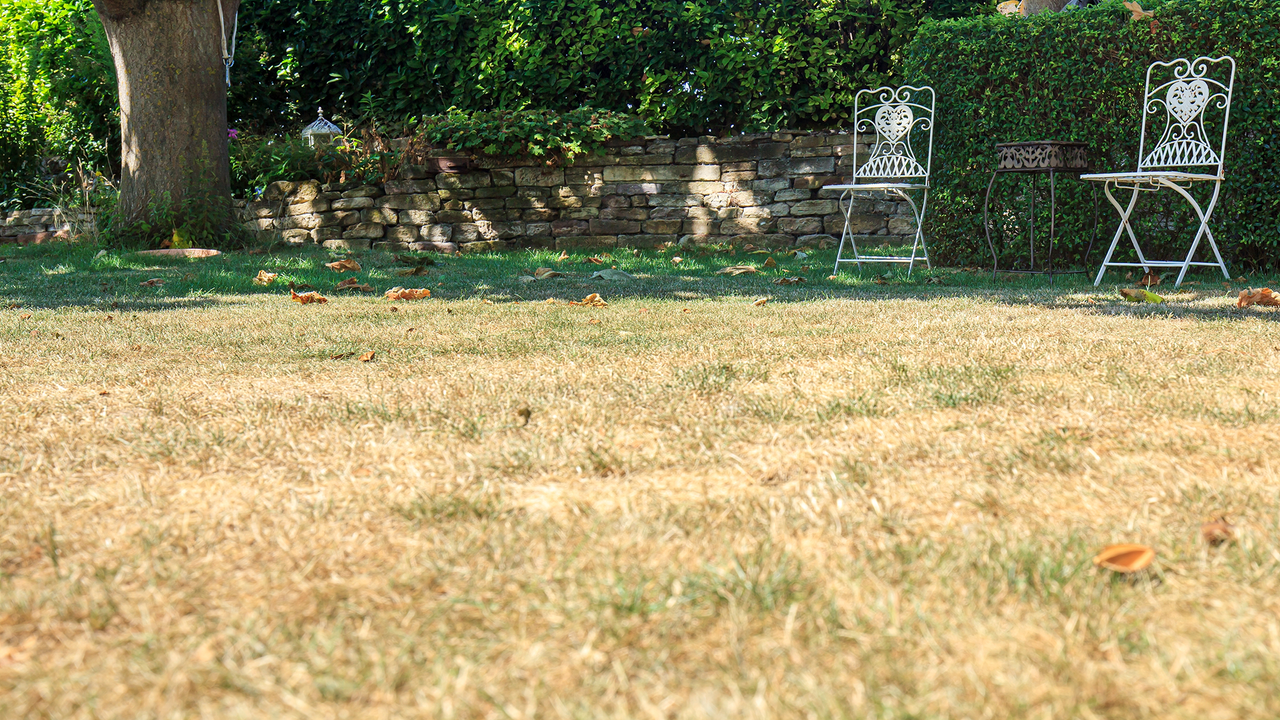
As autumn approaches, maintaining your lawn remains a priority, particularly with September marking the peak of crane fly egg-laying season. The eggs will soon hatch into leatherjackets, notorious pests that can wreak havoc on your lawn by consuming grass roots, resulting in unsightly patches and significant damage.
Jonathan Davis, a lawn care specialist at Lawnsmith, points out, “Right now, those eggs are just sitting below the surface, waiting for cold and wet conditions to hatch into leatherjackets.” Given their small size, these larvae are often overlooked but can cause extensive damage if they proliferate.
Understanding Leatherjackets: Identification and Impact
Known as lawn grubs, leatherjackets are the larval stage of crane flies. They lay their eggs in lawns from late summer through October. Once hatched, these soft-bodied grubs burrow just beneath the soil surface and begin to feed on grass roots, particularly as temperatures drop. This feeding habit makes them especially problematic for lawns that are not yet winter-ready.
“These pests, which can grow up to 3cm in length, have tough, leathery skin and are typically grey or brown,” explains Davis. “As they consume the roots of grass and plants, they effectively eliminate their food source. Damage usually becomes apparent in early spring, making early detection critical.” Early identification of leatherjackets is essential for effective management, as once the damage is visible, restoring the lawn's health can be a challenging, time-consuming endeavor.
The symptoms of a leatherjacket infestation are subtle at first. Grass turning yellow or showing patches may seem innocuous, but these are telltale signs that should not be ignored. Homeowners need to stay vigilant, especially if they notice thinning patches appearing over a wide area. While you can’t stop the crane flies from laying eggs, you can take proactive steps to mitigate the damage as soon as the leatherjackets emerge.
Aeration: A Key Step in Prevention
Aerating your lawn can be an effective measure against leatherjackets. This process not only improves drainage and air circulation but also helps nutrient absorption directly into the soil. If you're working in this space—whether as a homeowner or a professional—the benefits of aeration are manifold.
Davis advises, “Poor drainage can create a hospitable environment for leatherjackets, so addressing it now can prevent an infestation from taking root.” Aeration involves creating small holes in the turf, enabling it to breathe and allowing water to disperse effectively. This is particularly relevant for compacted soils, which can trap moisture and create an ideal habitat for pests.
In addition to aeration, consider managing shaded areas in your garden. Overgrown trees and thick foliage can create ideal conditions for leatherjackets by reducing sunlight exposure. Pruning back tree branches and clearing debris like fallen leaves will enhance light penetration and promote a healthier lawn. A well-lit and ventilated lawn is less likely to attract pests.
(And this is the part most people overlook): some soil types are inherently less conducive to drainage. For instance, clay-rich soils can lead to flooding, providing a perfect breeding ground for these pests. “If you frequently find water pooling in your garden, it’s essential to assess your soil type to nurture your lawn appropriately,” notes Davis. This means that before you even think about pest control, knowing your soil is the first step in long-term lawn health.
Taking these preventative steps can significantly reduce the likelihood of an infestation, helping you maintain a lush, green lawn year-round. Homeowners should be proactive rather than reactive; the right season for prevention is always the one before the pest crisis. For additional tips on lawn care, check out resources on managing common problems like moss buildup, which can also complicate lawn health.
Implications and Future Outlook
So, why should all this matter to the average homeowner? The implications of ignoring these preventative measures can lead not just to an unattractive lawn but could also increase maintenance costs significantly. A lawn that suffers from a leatherjacket infestation could require expensive treatments, including pest control and re-seeding, which can also disrupt your lawn's ecosystem.
As climate patterns shift, the conditions that support crane fly populations may change, potentially leading to increased pest pressures in the future. Warmer temperatures and altered rainfall patterns would only compound the existing challenges lawn care enthusiasts face. What this means for you is that understanding the lifecycle of pests like leatherjackets could inform your long-term lawn care strategy. The onus is on homeowners and caretakers to adapt; a good lawn isn't just a matter of water and sun anymore.
Ultimately, it's essential to take these warnings seriously. By understanding and addressing potential issues early and maintaining a healthy lawn ecosystem, you can save yourself from headaches later. Prepare now, and your lawn will thank you in the seasons to come.


Discussion
Sign in to join the discussion.