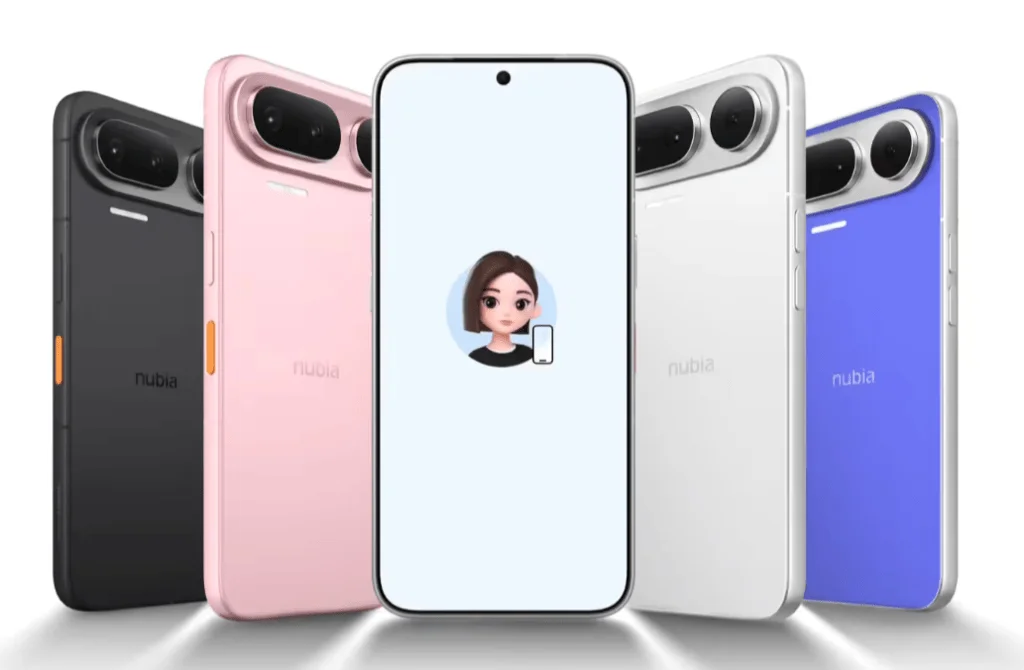
Nubia's upcoming NaviX Ultra smartphone, launching September 16, highlights its AI capabilities and features cutting-edge memory and processing technology.
Launch Details
Nubia is set to unveil the NaviX Ultra smartphone on September 16 at 2 p.m. Beijing time. This device, a product of collaboration between ZTE and ByteDance, aims to establish itself as a phone powered by an advanced AI assistant known as Doubao. The combination of these two heavyweights in the tech industry carries significant weight, particularly given the backgrounds of both companies. ZTE has long been recognized for its telecommunications equipment and smartphones, while ByteDance is the parent company of TikTok and has made a name for itself in leveraging AI technologies effectively. This collaboration could signal a pivotal moment, as both companies aim to address the growing consumer demand for smarter, more integrated technology in everyday devices.
Technical Specifications
The NaviX Ultra will leverage LPDDR5X memory from ChangXin Memory Technologies, boasting an impressive operational speed of 10,667Mbps. This marks a significant milestone because it's the first large-scale use of domestically produced LPDDR5X chips at this performance level. The implication here is twofold: Firstly, it showcases China’s advancements in semiconductor technology, possibly reducing reliance on foreign manufacturers. The global chip shortage has made this a key area of focus for many tech companies. Secondly, as this memory type is designed for higher data rates and power efficiency, it offers the potential for more responsive applications and improved multitasking capabilities. Beyond ChangXin, notable partners involved in its development include Qualcomm, BOE, Samsung Semiconductor, and Goodix, each bringing specialized expertise to the table.
Anticipated Features
While detailed specifications are not officially confirmed, early reports suggest that the smartphone could feature a Snapdragon 8 Elite Gen 5 processor and a substantial 7,000mAh battery, setting the stage for a high-performance user experience. The Snapdragon 8 series has consistently been at the forefront of mobile processing power. If this chip is indeed included, it could significantly enhance the machine learning capabilities of the AI assistant Doubao by improving processing speed and efficiency. Coupled with a 7,000mAh battery, this suggests that Nubia is aiming for longevity in usage, aligning with consumer preferences for phones that deliver extended operational periods between charges. Considering that many consumers are increasingly reliant on their smartphones for daily tasks, this feature is likely to be a strong selling point.
Market Context
The smartphone market today is fiercely competitive. Companies are not just racing to produce high-spec devices; they’re also incorporating AI and machine learning to provide meaningful enhancements to user experiences. This trend isn't limited to flagship smartphones; mid-range devices are also seeing integration of these features. Nubia’s choice to focus on an AI assistant reflects a broader industry shift toward smart features that emulate user preferences and learning behavior. Similar products in the market have drawn significant consumer interest, and some companies even claim their AI capabilities can predict user needs based on historical behavior. Whether the NaviX Ultra can match or exceed these expectations remains to be seen.
The Role of AI Assistants in Smartphones
The AI assistant Doubao aims to differentiate the NaviX Ultra from competitors. With voice recognition and contextual understanding becoming increasingly crucial, Doubao could potentially learn from user interactions, making it more than just a voice-activated service. There’s an underlying question about how well Doubao will perform compared to established players like Google Assistant or Apple's Siri. Companies often tout their AI assistants' capabilities, but the reality is that user experience varies greatly. Being able to effectively respond to commands, learn preferences, and integrate with apps can make all the difference in creating a seamless user journey. If you're working in this space, the outcome of Doubao’s performance will be something to keep an eye on.
Technical Partnerships
The collaboration with ChangXin and other industry giants like Qualcomm and Samsung Semiconductor highlights a strategic approach toward innovation while maintaining a self-sufficient supply chain. In recent years, geopolitical tensions have underscored the vulnerabilities in relying heavily on foreign technology and components. By partnering with domestic suppliers, Nubia not only enhances its technology stack but also signs of commitment to local industry. This changing dynamic prompts manufacturers to reconsider their partnerships, especially since foreign component supply has been prone to instability. It would be prudent for tech companies to ask themselves if they might benefit from strengthening local relationships like Nubia has.
Implications for Future Development
The development trajectory of devices like the NaviX Ultra could set a precedent for future smartphones, particularly in how they integrate AI and local technology into an increasingly crowded marketplace. If successful, Nubia's approach could inspire other manufacturers to prioritize domestic tech partnerships, shifting the global balance on tech manufacturing. Beyond hardware performance, it raises questions about privacy and data security. As smartphones become smarter, they will inevitably gather more user data to enhance AI functionalities, which prompts an essential dialogue about user consent and data handling. What this means for you, whether as a consumer or an industry professional, is that companies will need to tread carefully in demonstrating how they protect user data while providing innovative services.



Discussion
Sign in to join the discussion.