AgiBot is reshaping the robotics landscape by integrating advanced AI, emphasizing data-driven learning over traditional hardware competition.
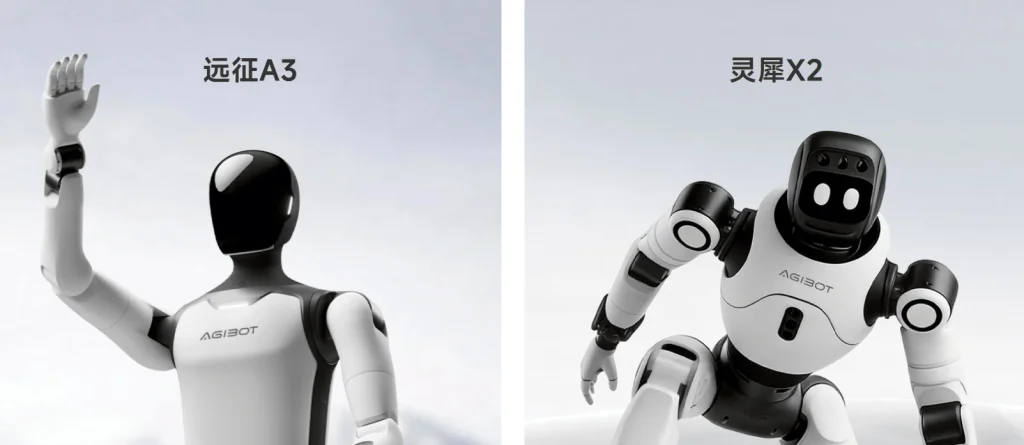
The world of robotics is poised for a significant transformation as companies like AgiBot adjust their focus from merely constructing robots to developing intelligent systems that enhance learning and adaptability. By 2026, AgiBot illustrates how the competition landscape is evolving beyond mechanical prowess to embrace robust data integration and AI capabilities.
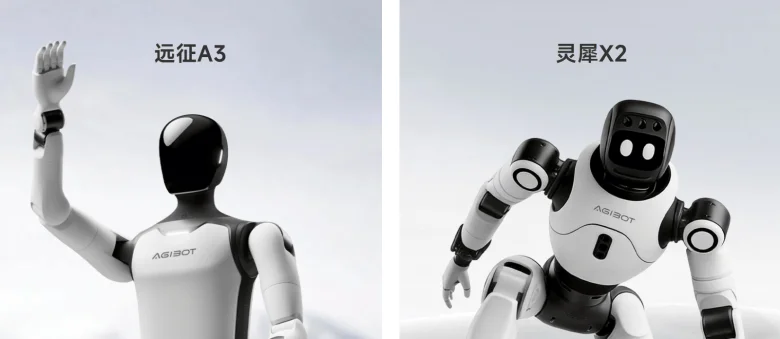
This year has seen AgiBot actively advancing its lineup, notably exemplified by the release of the Expedition A3 and an upgrade of its embodied AI models and infrastructure. The introduction of the GO-2, an embodied foundation model, has marked a noteworthy enhancement in robots' capacities to comprehend, strategize, and perform various tasks.
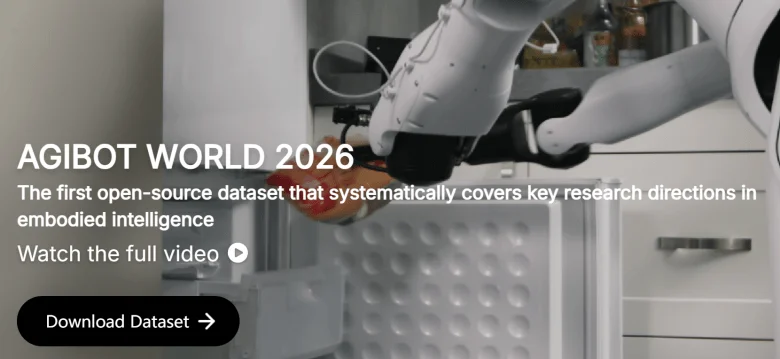
Moreover, with the rollout of Genie Sim 3.0, AgiBot harnesses simulation environments to produce training datasets. Initiatives like AGIBOT WORLD and the GE-2 Action World Model link data with robotic hardware, creating a cohesive technological framework that enhances robot functionalities.
This shift reflects a broader trend where the robot itself transitions from being the focal product to acting as a medium for complex intelligent systems. Historically, the robotics domain emphasized mechanical design and control systems. As the industry matures and competitors streamline basic operational capabilities, fresh challenges are emerging around cognitive functions.
In the past, agile movement and reliable performance dictated competitive edges among robotics firms. Today, pressing questions revolve around a robot's ability to interpret intricate environments, autonomously manage unforeseen tasks, and learn from singular experiences, adapting insights to enhance other robots' functionalities. These inquiries mirror the challenges found within artificial intelligence, suggesting a shift in the core competitive dynamics.
2026 appears to herald a new battleground in embodied AI, one where data is becoming increasingly pivotal. AgiBot’s previously established AGIBOT WORLD now features millions of real-world robot data samples, with the latest Genie Sim 3.0 yielding upwards of 10,000 hours of simulated data and broadening the evaluation framework to encompass over 100,000 scenarios.
Additionally, AgiBot has initiated the Hive Data Co-Creation Initiative, seeking to ramp up data production capabilities to tens of millions of hours within the year. This strategic move is laying the groundwork for a holistic data ecosystem that encompasses everything from real-world data acquisition to model iteration.
Given the expensive nature of capturing real-world data, simulation serves as a training ground, enabling robots to experiment within virtual scenarios before applying those lessons in practical settings. This cyclical process of data collection, simulation training, model development, and robotic execution is set to redefine industry standards.

As this cycle gains traction, the competitive landscape will shift away from focusing solely on hardware specifications. Rather, companies will need to exert their strengths in data volume, model efficacy, and the speed of iteration.
The goal AgiBot is pursuing transcends a mere portfolio of robotic products; they aspire to construct an integrated system that weaves together hardware, data, models, and development platforms. In this framework, robots operate in the physical realm while drawing on data for their learning processes, equipped with general-purpose capabilities enabled by robust models and accessible training platforms.
This ambitious approach marks a distinct departure from traditional robotics firms, aligning more closely with the trajectories observed within AI enterprises. However, hardware remains essential; dependable mechanical structures and efficient manufacturing continue to underpin market viability. Nevertheless, the future may see competition boiling down to a thorough examination of hardware, data, models, and practical applications.
As we look ahead to 2026, the focus may shift from identifying the most capable humanoid robot to discerning which company can create a system for making robots progressively smarter. What once revolved around the question of a robot's mobility is now pivoting to its capacity for learning. AgiBot’s strategy exemplifies the movement of the robotics industry toward a landscape where robotics firms increasingly mirror AI companies.



Discussion
Sign in to join the discussion.