ChinaJoy 2026 showcases a new era of cross-industry collaboration, merging automotive technology with gaming and interactive experiences.
ChinaJoy 2026 Kicks Off in Shanghai
ChinaJoy 2026 launched today at the Shanghai New International Expo Centre, transforming the traditional gaming exhibition into a multifaceted event that bridges automotive technology and interactive entertainment. This shift reflects broader trends in the tech industry, where the boundaries between different sectors are increasingly blurred, leading to innovations that captivate consumers across various interests. The first day revealed fresh approaches as companies tapped into AI, smart hardware, and immersive gaming experiences. It's a timely convergence that speaks to the evolving desires of the gaming community for rich, interactive experiences.
BYD Merges Automotive and Game Culture
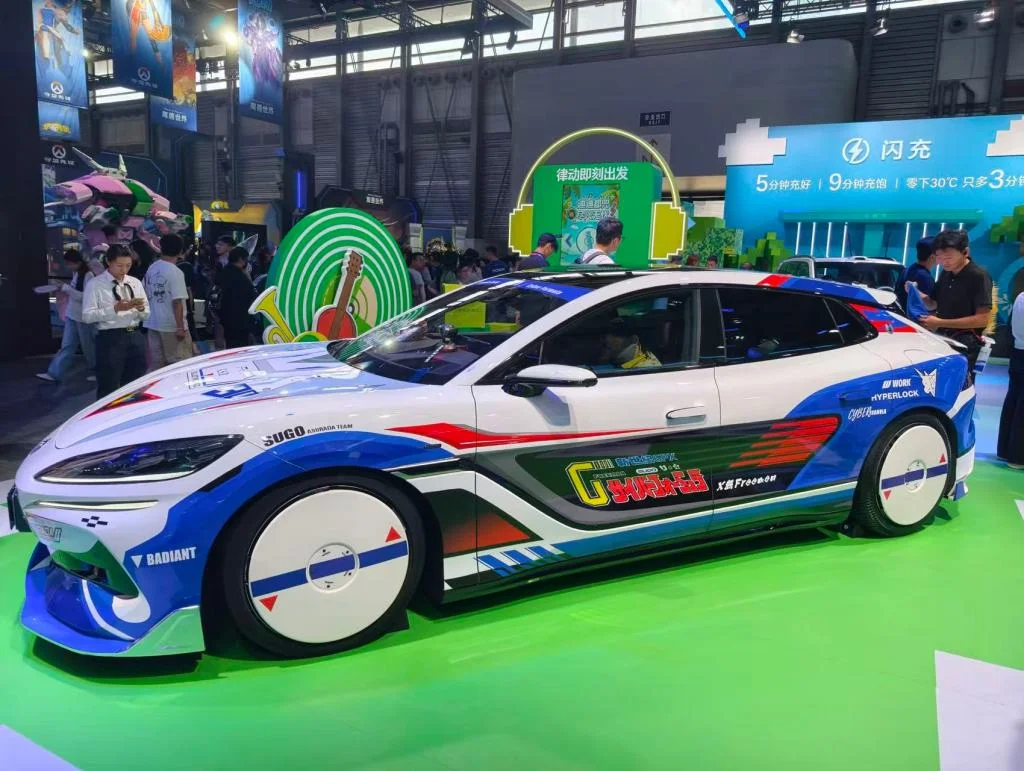
Leading the charge, BYD transitioned its booth into an intersection of car tech and gaming culture, showcasing the potential for cross-industry collaboration. Breaking away from standard auto show displays, BYD introduced custom itasha vehicles, allowing visitors to step inside and interact with the in-car infotainment systems while gaming. Digital and physical arenas are increasingly colliding, and this is one example of how the automotive sector is adapting.
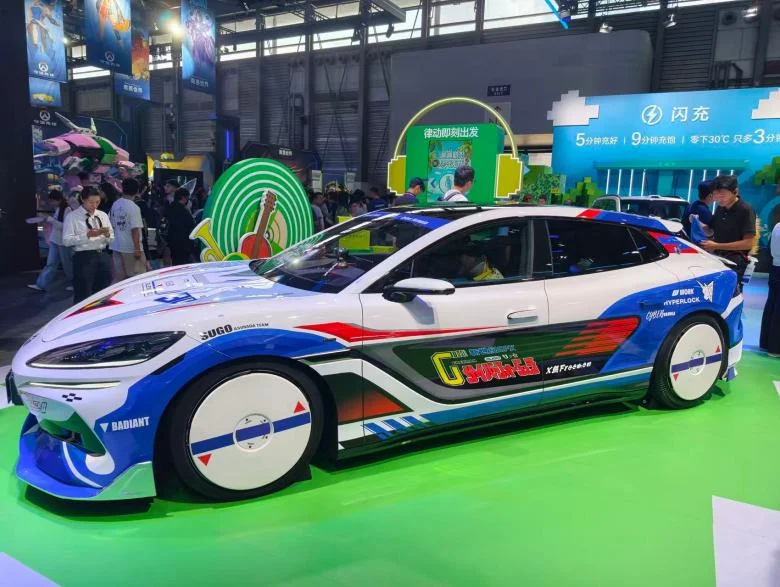
The highlight was a special itasha car inspired by the Denza Z9 GT, styled after the Asurada GSX from the anime Future GPX Cyber Formula. This vehicle captivated fans with its authentic details, from the Japanese logos to the series' distinctive racing livery. It’s more than just a showpiece; it’s a cultural nod that resonates with a generation of fans who cherish such connections.
Another attraction was a car themed around Ekko, a character from the popular game League of Legends. BYD's partnership with Riot Games resulted in a vehicle adorned with a purple graphic scheme, representing Ekko and adding an official touch to the display. This collaboration illustrates how the lines between entertainment sectors are fading. Merging fandom with practicality makes the brand memorable, building a community centered around shared interests.
To augment the automotive experience, BYD also showcased its fast-charging system and the advanced driver assistance system, DiPilot, emphasizing its dedication to both performance and user interaction. This dual focus on technology and consumer experience shows BYD's commitment to standing out in a competitive automotive market. Will this approach pay off in the long term? Only time will tell, but the mix of gaming enthusiasm and automotive engineering is definitely stirring interest.
PlayStation Delivers Sci-Fi Immersion
At the PlayStation booth, the theme "PLAY HAS NO LIMITS" set the stage for an immersive experience featuring costumes from Helldivers 2. Cosplayers donned the game's armor, creating a sci-fi battlefield that invited visitors to engage and capture memories. It's not just marketing; this strategy actively involves attendees, drawing them into the universe PlayStation has created.
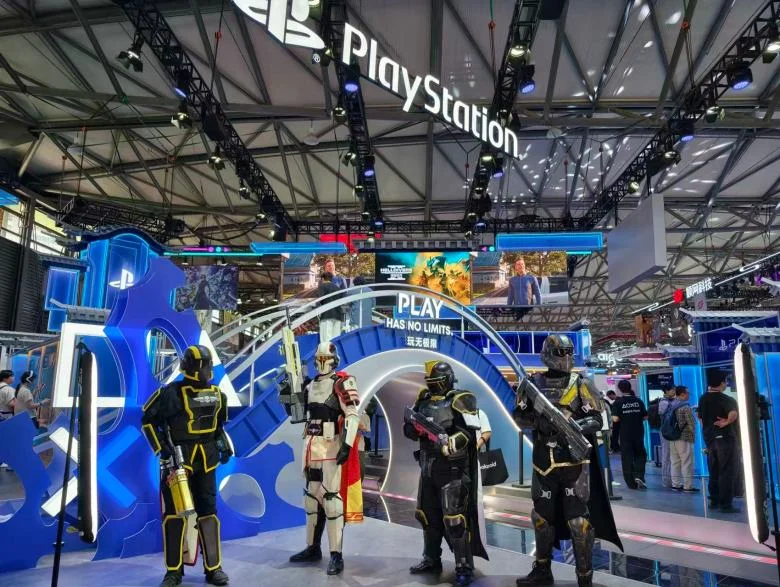
Fusing visuals and interaction, the booth brought back the Dimensional Train arch design from BW2026, adding stage performances and character engagements to elevate the immersive atmosphere. Attendees also enjoyed hands-on demos of PS5 titles, including Helldivers 2 and Marvel Tōkon: Fighting Souls, offering glimpses of the upcoming releases. Here’s the thing: they’re not just showcasing products; they’re inviting fans to feel as though they are a part of the experience itself. This engagement could drive future sales and foster brand loyalty.
Cross-IP Collaboration by Kingsoft Games
Kingsoft Games unleashed a unique partnership between Goose Goose Duck and Jian Wang 3, debuting the "Goose and Duck Heroes" theme at its booth. The transformation of the delightful character designs into martial arts heroes against a backdrop reminiscent of traditional Chinese architecture was particularly eye-catching. This collaboration is emblematic of a larger trend in the gaming industry, where cross-pollination between franchises generates fresh content and attracts diverse fan bases.
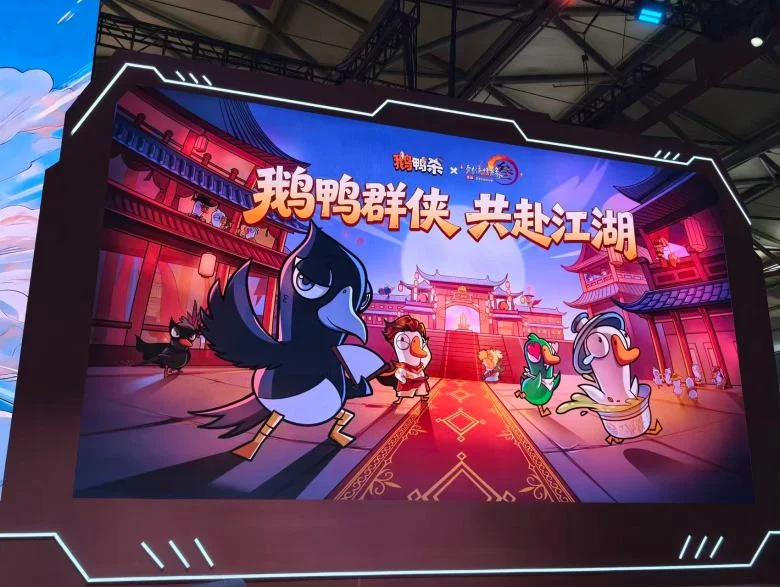
This collaboration not only created a visually alluring offline environment but also promised in-game content updates that would introduce new skins and gameplay features, tying the two franchises together. Such strategies enhance player investment, making franchises feel more connected and alive, while also boosting engagement rates. And yet, the sustainability of player interest with these partnerships remains to be seen. Will they keep players hooked long after the convention is over?
Century Games Showcases a Diverse Portfolio
Visitors at Century Games' booth were drawn to the "Amazing Games, Connecting the World" theme, featuring an assortment of globally popular titles spanning multiple genres. The booth featured interactive areas themed around Whiteout Survival, which returned for its third year, and offered a winter wonderland for players. Engagement through strategic themes like this showcases an understanding of audience preferences, an adjustment that rings true in any competitive landscape.
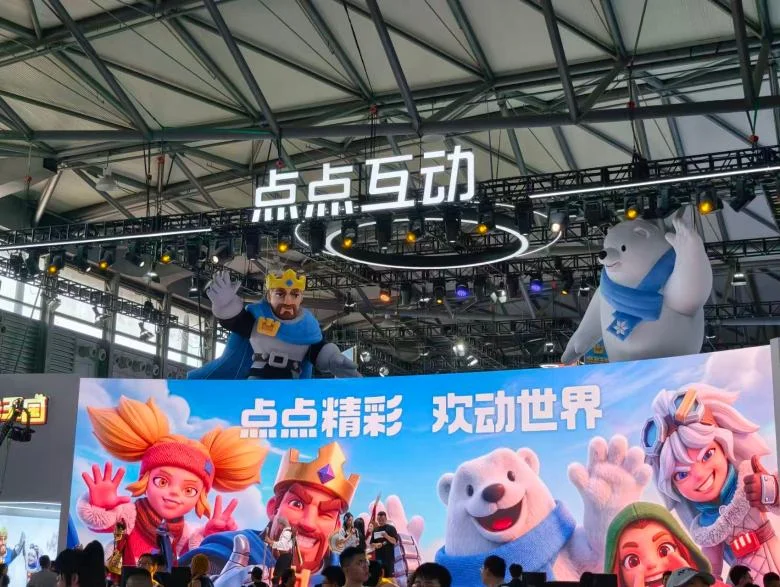
A debut was made by the medieval strategy game Bennie Kingdom, inviting players to engage in kingdom management for the first time offline. Meanwhile, the popular tower defense series Kingdom Rush featured a giant king character, creating an inviting photo opportunity for fans. Each of these attractions reflects a strong grasp of what resonates with gamers while also positioning the company as a versatile player in the market.
With game demonstrations, themed installations, and interactive zones, Century Games effectively highlighted its diverse global offerings across various gaming genres, reinforcing its presence in the competitive market. If you're working in this space, take note: a thoughtful presentation can resonate deeply, translating into tangible brand loyalty over time.
Implications and Future Outlook
The developments at ChinaJoy 2026 hint at a larger trend in gaming and entertainment industries, where collaboration will likely become more prevalent. The interplay of technology, culture, and consumer interaction isn’t just a passing phase; it sets a precedent for how companies may approach marketing and product development in the future. Innovative collaboration could yield significant advantages for those willing to take risks. As brands begin to realize the power of these crossovers, we might see entire ecosystems built around shared experiences rather than isolated products.
This could reshape consumer expectations. If companies can create worlds that blend automotive and gaming, for example, consumers may begin to expect those kinds of interactions in other spaces as well. The landscape can shift dramatically based on consumer engagement and experiences invented here at ChinaJoy. Are we ready for what’s next? One thing’s for sure: the relationship between gaming and other industries has only just begun to evolve. Will companies step up to meet these new consumer desires as they grow?



Discussion
Sign in to join the discussion.