Apple's visionOS 2 update refines the Vision Pro's functionality, introducing spatial photo capabilities and enhanced developer tools, among other features.
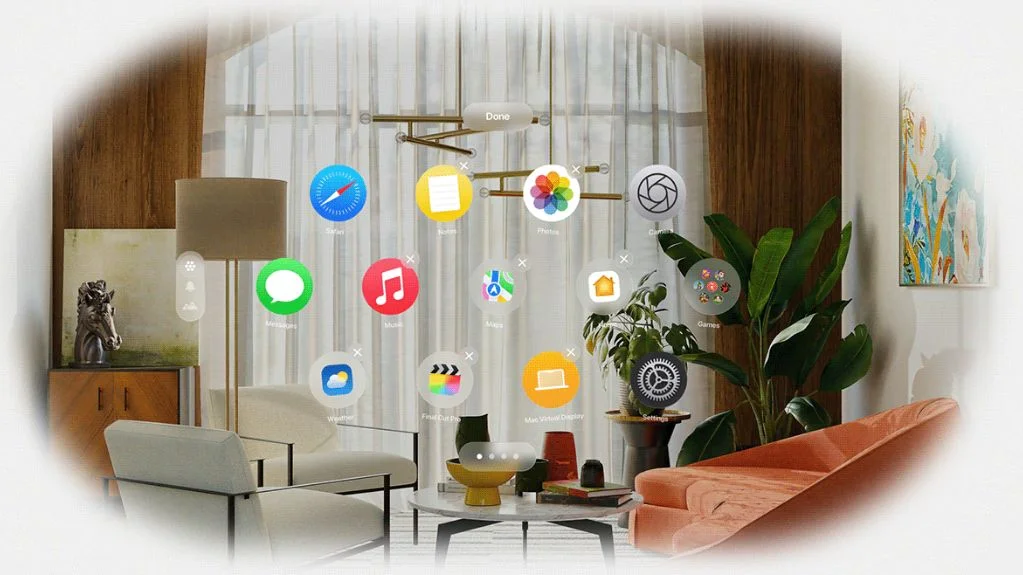
At WWDC 2024, Apple showcased visionOS 2, a software upgrade poised to enhance daily experiences with the Apple Vision Pro. While the improvements aren't revolutionary, they nonetheless bring some significant enhancements to functionality and user interface that aim to enrich user interaction.
Enriching Daily Experiences
As more consumers edge toward immersive technology, the introduction of visionOS 2 at WWDC 2024 comes at a pivotal time. With this update, Apple is looking to harness AI capabilities to transform traditional media into engaging spatial experiences. Users can now easily convert their familiar 2D photos into immersive 3D representations. This move reflects a broader trend in the tech industry focusing on making visual content more engaging and interactive—an area where many consumer expectations are growing.
Beyond the visual aspects, visionOS 2 incorporates redesigned controls that streamline access to both the Home view and Control Center. In today's fast-paced environment, users typically value efficiency and quick access to features. These enhancements are Apple's response to feedback about navigation issues users experienced in previous iterations. The shift toward a more intuitive user interface could signify Apple's ambition to introduce non-tech-savvy users into spatial computing swiftly.
Enhanced Productivity Features
But Apple isn't stopping there. Later this year, the company plans to roll out updated external display capabilities. This will include offerings like higher resolutions and sizes, particularly Ultra Wide settings that simulate the experience of using two 4K monitors side by side. What does this mean for users? Increased productivity, particularly for those in fields where multitasking is key, like design, programming, or data analysis. It’s a compelling enhancement that aligns with the demands of modern work environments, where screen real estate can be a limiting factor.
The rollout, while likely to be well-received, may face initial hiccups as users rush to download the latest version. Those familiar with software updates know the drill: users need to navigate to the Settings app, select General, and then tap on Software Update. If you're working in this space, prepare for some delays. Updates often come with an influx of users eager to experience the new features, which can lead to server slowdowns.
The Necessity of Data Backup
Before proceeding with any updates, Apple emphasizes the importance of creating an iCloud backup of vital content. Whether it's spatial visuals, apps, or personalized settings, backing up ensures users won’t lose critical information during the transition. It's a step that many in the tech community recommend, yet often users overlook (and this is the part most people overlook). Taking the time to back up is a wise precaution—as anyone who’s lost data during an update can attest.
What Else is New in visionOS 2?
Apple has taken user feedback into account in expanding its Travel mode to accommodate trains, in addition to planes. This is a noteworthy improvement, particularly in densely populated areas where public transit is widely utilized. Observing the growing interest in mobile usage during subway commutes suggests that this change could be well-received by users looking for uninterrupted digital experiences.
Developers, too, stand to gain from visionOS 2. New features and APIs have been introduced to enrich app creation. With the addition of Volumetric APIs and the new TabletopKit, developers have new avenues for creating interactive applications that respond in real-time to user environments. This is particularly relevant in a market saturated with gaming and educational apps; innovative features could lead to a renaissance of engaging content.
Moreover, Apple seems to be working toward simplifying the generation of spatial content. A new Spatial lens for the Canon EOS R7 is a particularly enticing feature for photographers and videographers looking to leverage spatial technology in their work. The announcement of a new Vimeo app for Vision Pro, alongside partnerships with companies like Blackmagic Design, highlights Apple's commitment to expanding professional-grade content capabilities. It feels like a shift in how Apple positions its devices as tools for creativity rather than merely entertainment.
Future Outlook and Implications
The implications of visionOS 2's release extend beyond user interface improvements and enhanced productivity. It positions Apple more firmly within the scope of immersive technology, a sector where competition is intensifying. Companies like Meta and Microsoft are also vying for user attention in the AR and VR arenas. Apple’s incremental approach could either solidify its standing or risk leaving it trailing behind if competitors make more drastic innovations.
As immersive technologies become mainstream, investing in improvements—regardless of how minor they may initially appear—can yield significant dividends in user satisfaction and market share. Apple knows that every small enhancement contributes to maintaining its ecosystem's appeal and cohesion. For consumers and developers alike, this ongoing evolution of visionOS signifies that Apple is committed to staying relevant in emerging tech. In the next few years, we might see these shifts morph into far more transformative changes as consumer appetite for immersive experiences continues to grow.



Discussion
Sign in to join the discussion.