As dust mite season approaches, learn how the 2-inch vacuum technique can significantly minimize allergens in your mattress.
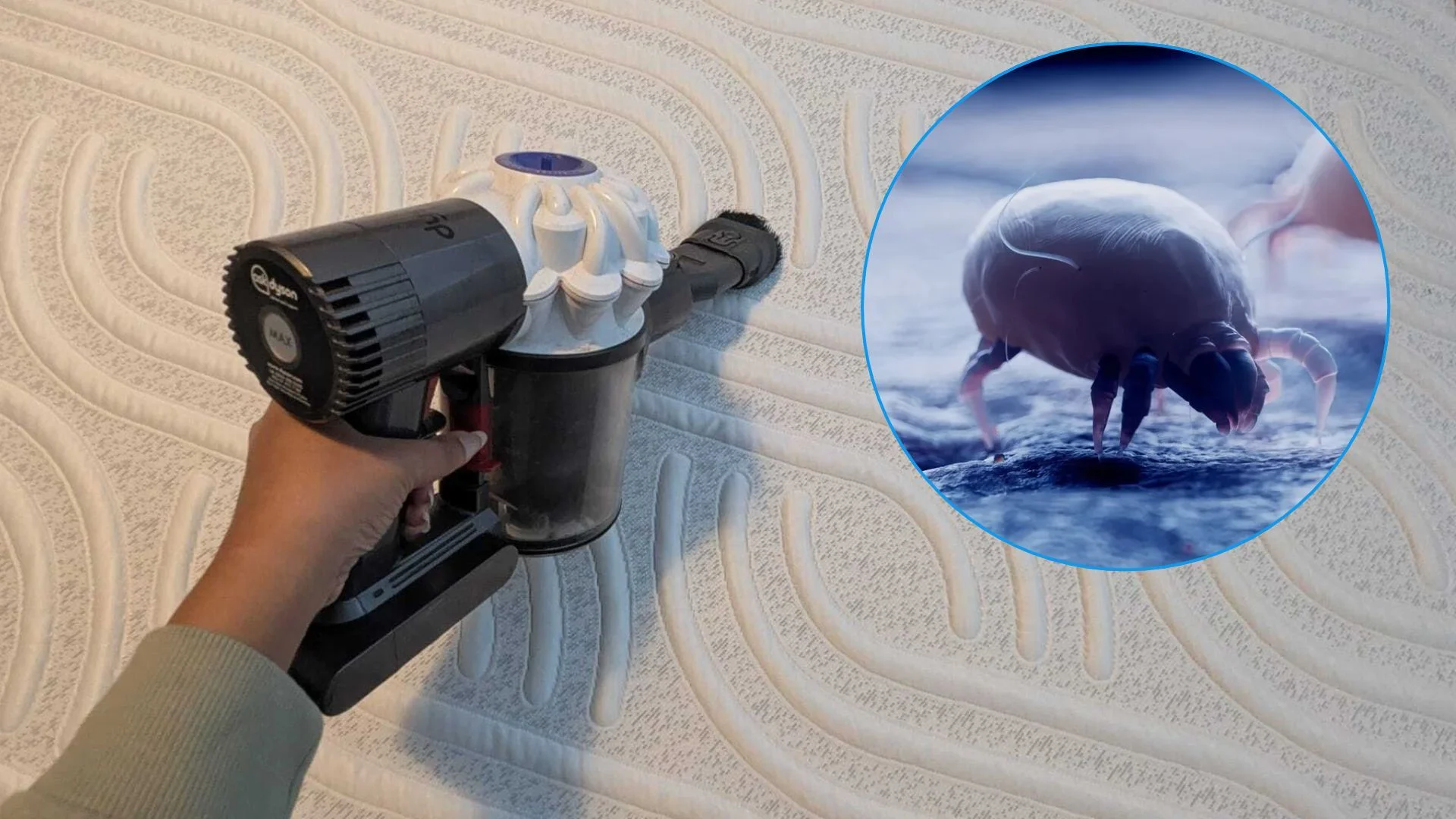
With the arrival of cooler weather and shorter days, dust mites are set to thrive as autumn unfolds. Professor George Du Toit, Co-Founding Director at the Allergy Centre of Excellence, notes that this transition triggers an uptick in dust mite populations and subsequent allergy flare-ups. As you activate your heating systems, the sealed indoor humidity becomes a breeding ground for these microscopic pests.
Research indicates that dust mites thrive particularly in the dark, humid layers of mattresses, feeding on organic debris found primarily in the top few inches. This area accumulates dead skin cells, oils, and moisture, making it a prime target for mites, especially for allergy sufferers trying to ensure a clean sleeping environment.
Understanding the Seasonal Dust Mite Surge
Professor Du Toit emphasizes that as central heating is turned on, it not only dries out indoor air but also traps high humidity within closed spaces. This combination sets the stage for a rapid increase in dust mite populations during the fall months. The same patterns can be observed across the UK and northern regions of the U.S., as homes transition from warmer months to sealed-up living spaces.
By the time autumn arrives, many dust mites die off, producing a large amount of allergenic refuse, which can significantly affect indoor air quality. As people spend more time indoors during this period, the likelihood of exposure to these allergens rises. This means that taking preventative measures now is vital for maintaining a healthy home environment.
The 2-Inch Cleaning Technique Explained
On average, humans shed about 500 million dead skin cells a day, a substance that dust mites find particularly appetizing. Glen Needham, a retired entomology professor, highlights that these pests typically dwell in the upper layers of mattresses, the very areas most susceptible to debris accumulation.
A conventional surface vacuum may simply skim the top, leaving deeper contaminants untouched. The ‘2-inch rule’ addresses this shortcoming by applying direct downward pressure with the vacuum nozzle to compact the top layers of your mattress. This method allows for better extraction of deeply embedded allergens including skin particles and dust mites’ waste.
While this technique won’t eradicate live dust mite colonies—which generally require high heat treatments or specialized vacuum models—it effectively diminishes their food supply, consequently prompting faster die-off rates and reducing airborne allergens.
Steps to Implement the 2-Inch Rule
1. Strip the Bedding
Begin by removing all bedding, pillows, and mattress protectors. Opening windows can help air out allergens and dust while you clean.
2. Prepare Your Vacuum
Make sure your vacuum is outfitted with a sealed HEPA filter. This is essential to prevent any micro-allergens from escaping back into your bedroom during the cleaning process.
3. Execute the 2-Inch Compression
Attach an upholstery or brush tool to your vacuum and firmly press it down on the mattress to compress the top two inches. Use slow, deliberate moves in overlapping circles or rows to create a seal that will draw out additional debris as you clean.
This method can be quite labor-intensive, especially with mattresses that have uneven surfaces, making the process time-consuming. Expect to spend approximately 20 to 30 minutes on this task.
Pro Tip: For added freshness, sprinkle baking soda on your mattress and let it sit for 30 to 60 minutes before vacuuming. This technique helps absorb moisture and odors.
Benefits of the 2-Inch Technique
- Improved Sleep Environment: A cleaner mattress leads to a more comfortable sleep experience.
- Reduced Allergens: Lower allergen levels can alleviate symptoms for those suffering from allergies.
- Extended Mattress Lifespan: Regular maintenance helps maintain the mattress’s integrity over time.
Personally, I’ve experienced a notable difference in sleep quality after applying this technique. The freshness and cleanliness of my mattress made sleeping feel even more rejuvenating, and I noticed less congestion upon waking, suggesting that the method might have a beneficial impact on air quality, although further testing could confirm this.
Vacuuming regularly, ideally every three months, can significantly reduce dust, debris, and odors, preserving the condition of your mattress. Remember, proper care can prolong your mattress’s life significantly beyond its average 7 to 10-year lifespan.
Why Dust Mites Are Concerning
Combating dust mites is essential not only for aesthetic reasons but also for maintaining respiratory health. The allergens released from dust mite droppings can exacerbate conditions like asthma and lead to nasal congestion, dry coughs, and sneezing fits. If you find that your allergies worsen at night, your mattress may be a significant contributor to those issues.
Protecting Your Mattress from Dust Mites
Though complete eradication of dust mites isn't feasible, implementing regular vacuuming and using a mattress protector can effectively minimize their presence. Mattress protectors not only guard against spills and stains but also serve as protective barriers against dust mites.
For those especially prone to allergies, consider choosing protectors treated with antimicrobial solutions. If you're unsure where to start, resources are available that review and recommend high-quality mattress protectors based on performance and durability.



Discussion
Sign in to join the discussion.