Starting September 16, iPad users in the EU will gain the ability to sideload apps, ushering in new distribution possibilities alongside iPadOS 18.
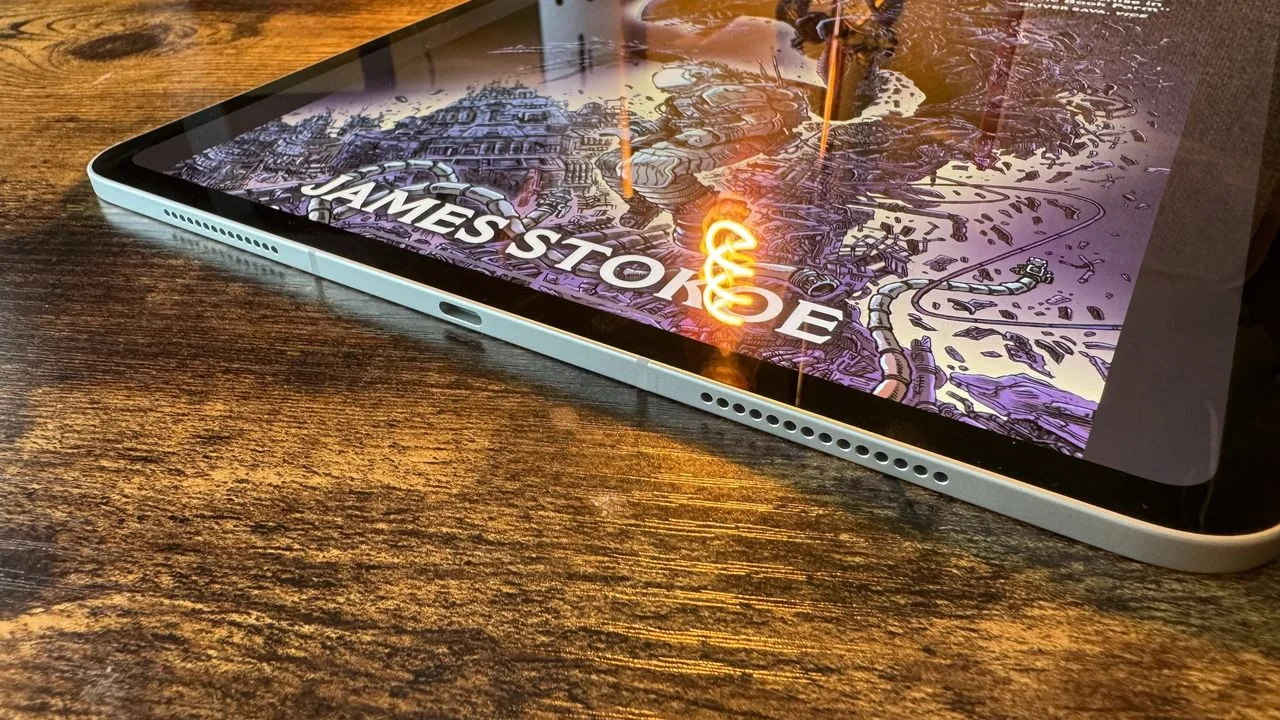
On September 16, a significant shift occurs for iPad users in the European Union, as Apple has confirmed the introduction of app sideloading via third-party app stores. This change coincides with the release of iPadOS 18, making it a pivotal day for the device's user base. Apple, known for its closed ecosystem, is now allowing users greater freedom in how they download and install apps.
The Impact of Sideloading in the EU
Apple's decision to embrace app sideloading signals a major shift in its approach to app distribution in the EU. This move aligns with the European Union's Digital Markets Act (DMA), which aims to foster competition and ensure that platforms don't monopolize app distribution methods. For years, iPad and iPhone users have been limited to a single source for app downloads—the App Store. This limitation has often frustrated users who want access to a broader range of applications, especially popular titles that may not adhere to Apple's stringent App Store guidelines.
The implications of this transition could be vast. For instance, users no longer have to wait for Apple’s approval to download apps that may not be deemed suitable for the App Store. This flexibility could pave the way for popular games like Fortnite, which has faced numerous challenges in its relationship with Apple. In fact, Epic Games has already rolled out its storefront to EU users, allowing them to access this popular title on iOS, with plans to expand its availability to iPads imminently. This could significantly enhance the gaming experience for many users trapped in Apple’s restrictive environment.
The Bigger Picture Behind the Digital Markets Act
Approved in 2022, the Digital Markets Act represents a sweeping effort by European regulators to ensure fair competition in digital markets. By mandating that tech giants allow alternative app distribution methods, the E.U. aims to level the playing field for developers of all sizes. Historically, smaller developers have struggled to gain visibility on platforms dominated by existing apps and games. They face higher fees and stringent approval processes that can stifle creativity and innovation.
This shift is understandably welcomed by smaller developers, who can now have a more direct route to consumers without Apple's gatekeeping. However, it remains to be seen how deeply Apple will comply. Will the new rules allow for genuine competition, or will Apple find ways to maintain its dominance while appearing more open? The promise of lower App Store commission rates for developers in the EU under the new Alternative Terms Addendum could hint at a more cooperative relationship, but skepticism remains. After all, significant changes often come with strings attached.
Potential Pitfalls of App Sideloading
While the prospect of sideloading apps may excite many users, this newfound freedom isn't without its risks. Users looking to sideload apps might inadvertently expose themselves to security vulnerabilities. Apps downloaded from unofficial sources can be malicious, putting sensitive data at risk. Users simply may not be aware of the potential dangers involved in using alternative app stores.
Additionally, the user experience might not match that of officially available apps. Disparate app quality and inconsistent updates could lead to frustration among users, especially those accustomed to the polished environment of the App Store. A less curated experience means users may spend more time navigating poorly designed or buggy applications. That's a trade-off that may not appeal to everyone. (And this is the part most people overlook.)
What This Means for Developers and Future App Distribution
If you're working in this space, you’ll want to pay attention to the ramifications of these new policies. Developers looking to introduce their applications into the market now have a potentially more efficient pathway. However, they must also consider how to ensure their apps stand out in the evolving digital environment. The relationship between developers and Apple is being tested as this regulatory climate pushes for more choice for consumers.
The future of app distribution is likely to shift away from the tightly controlled single-source model we've become accustomed to. Apple's move appears to be an attempt to satisfy regulatory pressure while attempting to retain user trust and control over its ecosystem. Still, there’s a fine line between maintaining a secure environment and offering freedom. This tension could either enrich or complicate the user experience.
Concluding Thoughts on the EU Policy Shift
September 16 marks a critical moment for Apple and its users in the EU. While this change heralds the promise of greater app accessibility, it brings with it complexities and threats that users must navigate. The effectiveness of these policy adjustments in fostering competition and innovation remains to be seen. As Apple starts to manage a more diverse app landscape, one thing is clear: this isn't just a win for users, but a strong hint at a shifting perspective on app regulation globally. The stakes are high, and everyone involved should keep their eyes peeled for what's next in this unfolding story.
More from iMore
- Popular iPad design app Procreate voiced strong opposition to generative AI, stating no plans to adopt it.
- An affordable version of the iPad Magic Keyboard is reportedly in development.
- Plans to distribute free iPads to those digitally excluded in Scotland have been cancelled in favor of reallocating funds to council employees.


Discussion
Sign in to join the discussion.