Apple's AirPods Pro 2 have received FDA clearance to be used as over-the-counter hearing aids, offering new health features for users this fall.
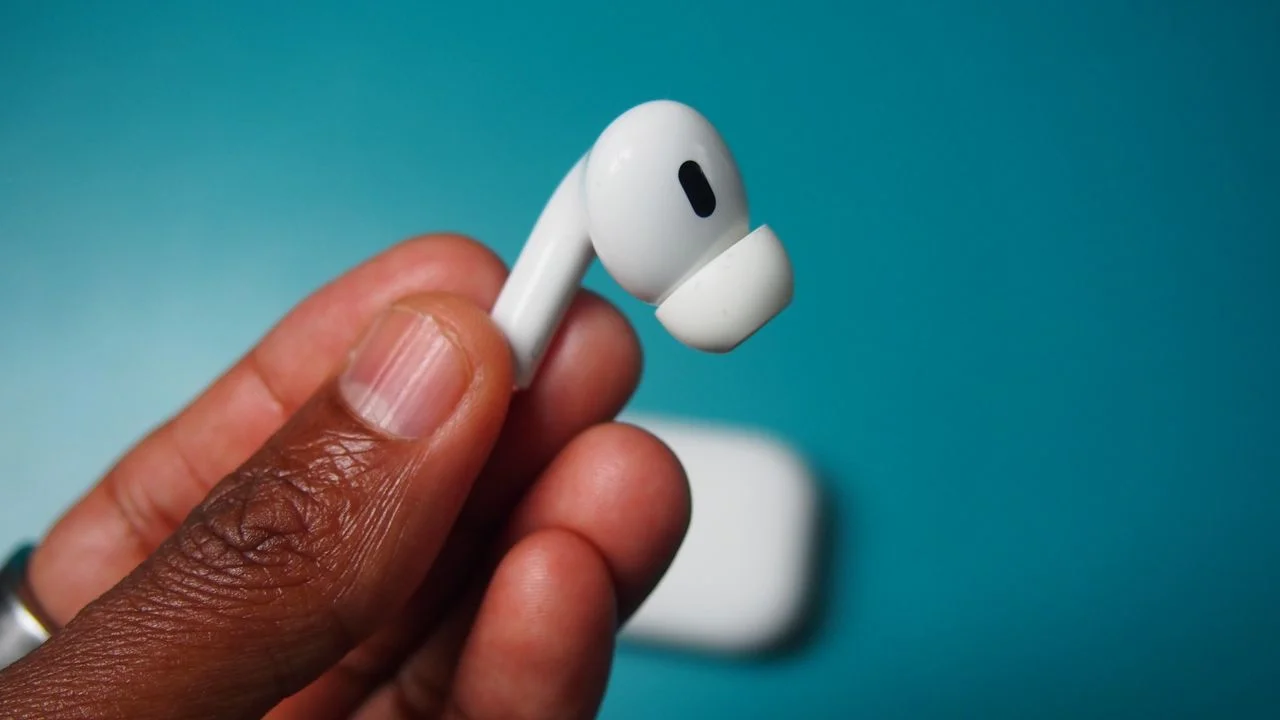
Apple’s recent announcement about the AirPods 4 came with a significant update for the AirPods Pro 2 — the earbuds can now be adapted for use as over-the-counter hearing aids. This move marks Apple's entry into the hearing aid market, targeting a large demographic with hearing impairments.
Navigating Regulatory Approval
Securing FDA clearance was essential for this functionality, which has now been achieved. In a press release, the FDA confirmed that the Hearing Aid Feature is designed to amplify sounds for adults aged 18 and older experiencing mild to moderate hearing loss. By obtaining this authorization, Apple has effectively positioned itself to tap into a market that has been traditionally dominated by a handful of specialized companies. Dr. Michelle Tarver, acting director of the FDA's Center for Devices and Radiological Health, stated that this development enhances access to essential hearing support for millions.
Historically, hearing aids have been tightly regulated and were typically available only through audiologists, which made them inaccessible or too expensive for many consumers. The recent push towards over-the-counter options is a significant shift in policy aimed at broadening access. Apple’s move aligns well with these changes, indicating its understanding of both regulatory frameworks and consumer needs. The implications here are vast; if more tech giants follow suit, we may witness a democratization of hearing assistance devices, making them more affordable and easier to obtain.
Additional Features for AirPods Pro 2
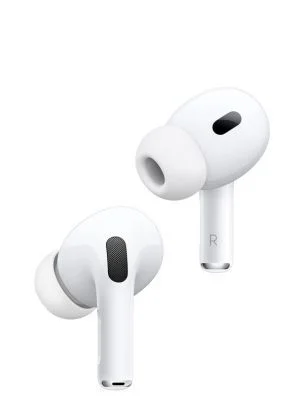
The hearing industry presents a vast opportunity, with over 30 million adults in the U.S. reporting varying degrees of hearing loss. Apple’s entry into this space could make an impact on how consumers approach hearing assistance. In its quest for market share, Apple isn’t just rolling out basic functionality. The additional features of the AirPods Pro 2 signal a deeper commitment to user health and wellbeing.
Beyond the hearing aid capabilities, AirPods Pro 2 will also introduce two notable health features. The first is a built-in Hearing Protection mode that prevents users from listening at unsafe volumes, effectively allowing the earbuds to function as earplugs during live events. This is significant because it highlights Apple's awareness of the dangers associated with prolonged exposure to loud sounds. Many users may overlook risks until it's too late, so proactive measures could have a profound impact on auditory health.
Equally noteworthy is the home-based hearing test, described by Apple as "clinically validated," which takes merely five minutes to complete. This test generates a tailored hearing profile based on the user's specific needs. In a market where many lack basic awareness of their hearing health, this feature could be a game-changer. It allows consumers to take charge of their auditory well-being without the need for professional consultations, removing a barrier to entry that many find daunting.
While the AirPods 4 may steal the spotlight as the latest introduction, the enhancements to the AirPods Pro 2 redefine their usability. With these capabilities, Apple showcases how it's transforming its earbuds into versatile health tools. It’s an exciting time for users looking for a blend of audio quality and health functionality. If you're working in this space, you should pay attention to how Apple positions itself as a not just a tech vendor but a health solutions provider. This could set a precedent for future developments across the industry.
Implications and Future Outlook
Apple’s venture into the hearing aid space—especially with the AirPods Pro 2—carries multiple implications. First off, the company is likely to face competition from traditional hearing aid manufacturers who will need to innovate rapidly to keep pace. Some might argue that Apple’s stature might pressure these companies to reduce prices or enhance customer service. That’s a rather interesting prospect, as established brands have typically enjoyed market safety nets that could be destabilized by a tech giant's presence.
This trend might prompt a shift in consumer perception. As over-the-counter devices become more accepted and mainstream, perhaps the stigma associated with hearing loss will diminish. Apple’s positioning in this market could very well normalize the use of hearing assistance products, leading to broader awareness about hearing health. It challenges the narrative that such devices are solely for the elderly; now, younger generations may find themselves just as inclined to seek out these solutions, particularly in entertainment-focused settings.
As for the technical future of the AirPods, the potential for software updates and new health-focused capabilities will keep this line relevant. Improvements to features can seamlessly roll out via software, ensuring longevity in the product’s lifecycle. What this means for you is a device that continues to evolve with your needs, potentially transforming from a simple accessory to an essential part of daily life.



Discussion
Sign in to join the discussion.