TP-Link's Tapo C200 cameras have two severe vulnerabilities that allow unauthorized access; users should update firmware to secure their devices.
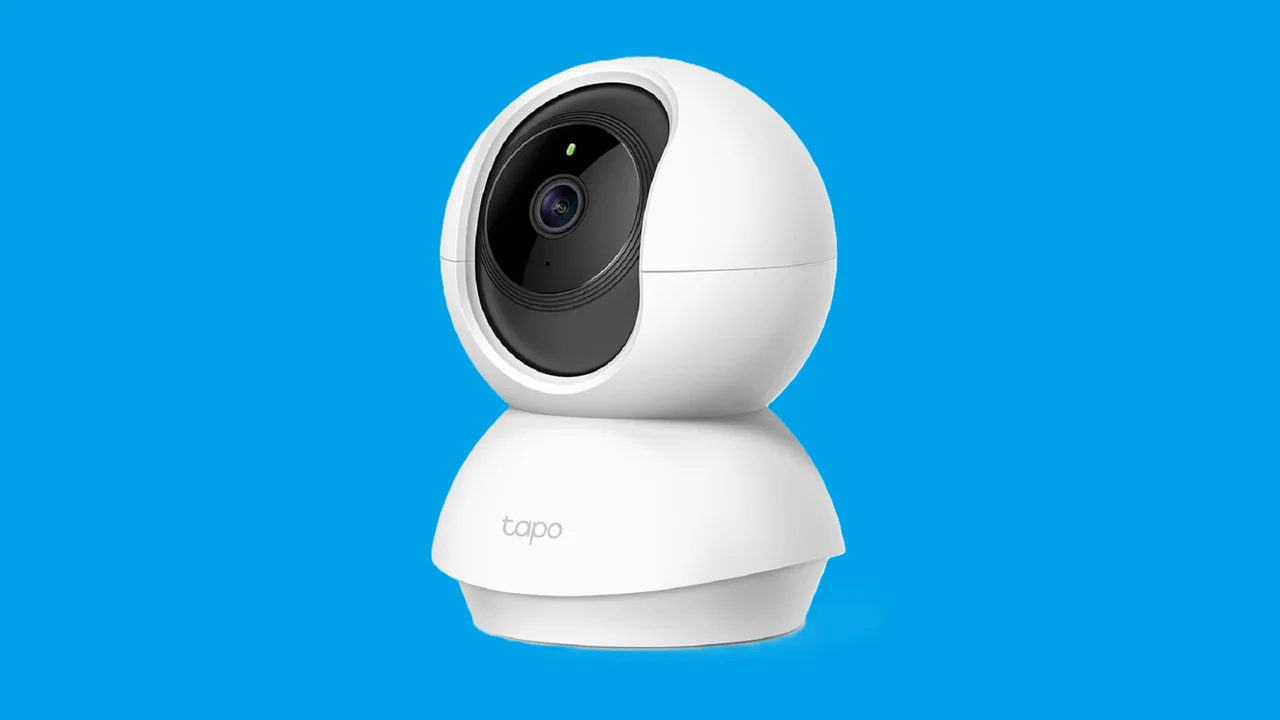
Users of the TP-Link Tapo C200 camera need to act quickly to enhance their device's security. Recent findings by OPSWAT revealed two serious zero-day vulnerabilities that could let attackers spy on unsuspecting users.
Understanding the Vulnerabilities
Two vulnerabilities, identified as CVE-2026-15315 and CVE-2026-15316, represent a significant risk. These aren't just theoretical concerns; they allow someone with access to the network the camera resides on to manipulate its settings. This can grant the intruder administrative privileges without needing any passwords, which raises substantial questions about the security architecture of the Tapo C200.
The implications of such administrative access are alarming. Once an intruder has control, they can perform actions normally restricted to authorized users, like modifying device configurations or accessing stored media. This capability means not only could live feeds be compromised, but private recordings could also be retrieved. For families using these cameras for baby monitoring or general home security, this isn't just a technical issue—it could impact personal safety and privacy directly.
Response from TP-Link
In light of being informed about these vulnerabilities, TP-Link acted promptly. The company conducted an investigation and rolled out firmware updates designed to close these security gaps. A spokesperson for TP-Link emphasized the company's commitment to user security and privacy, a statement that may serve to reassure customers but also invites scrutiny. After all, the effectiveness of their response will rest on how well their updates manage to neutralize the threats posed by these vulnerabilities.
However, securing the software is only half the battle. Users must also take action, as a patch is of little use if it's not applied. This situation highlights the responsibility that users have to remain proactive about their device security.
Update Firmware Immediately
For Tapo C200 camera owners, updating the firmware to the latest version is vital. The significant update to version V5-1.4.6 Build 260709 was released on August 17 to address these security holes. Many users might overlook the importance of regular updates, but this incident starkly illustrates why such diligence is crucial.
TP-Link has confirmed that the vulnerabilities were effectively “remediated” in this latest version. The company strongly encourages users to ensure their devices are updated. Users can handle this through the Tapo app, which should make the process relatively straightforward. For those wary of tech, the idea of updating their firmware might still feel daunting, but detailed support information is available on the Tapo C200 Downloads page.
This episode is a wake-up call not just for Tapo users, but for all consumers of smart home devices. Keeping software up-to-date is an imperative that often gets sidelined in favor of convenience.
TP-Link in the Bigger Picture
TP-Link isn't just a random player in the security camera space. They're significant in the networking hardware arena, holding about 6% of the U.S. router market. However, they face obstacles that could impact their market position, such as the ongoing FCC ban on certain router imports. Such regulatory challenges can affect product availability and consumer trust, especially in a market where security is a growing concern.
TP-Link has also showcased their upcoming Wi-Fi 8 routers. These new products promise advancements in range, reliability, and speed, which customers might find appealing. Yet, the success of these offerings will be largely contingent on how well the company manages security issues like the current vulnerabilities. Many technology buyers are becoming increasingly skeptical, poised to consider not just performance but also how brands respond to security threats.
Implications for the Future
This situation raises questions about the future of IoT security. As smart devices proliferate and integrate deeper into everyday life, vulnerabilities like those in the Tapo C200 will likely increase. Manufacturers need to prioritize not just initial security, but also the ongoing management and user education surrounding device updates.
If you're working in this space, you should start thinking about how to build a more resilient and informed user base. Customers need guidance to navigate the complexities of home automation security. Manufacturers must take a more active role in educating users about how to secure their devices effectively. That said, a patch or fix isn’t a silver bullet. It must be accompanied by a culture of vigilance among users.
What this means for you, the consumer, is clear: while manufacturers can take steps to improve security, the onus is also on you to be proactive. As these issues become more prevalent, being informed and taking swift action in response to manufacturer advisories can make all the difference in protecting your privacy.



Discussion
Sign in to join the discussion.