Apple's iPhone 18 Pro now features Reference Image mode, enabling users to verify the authenticity of images taken with the device and combat AI manipulation.
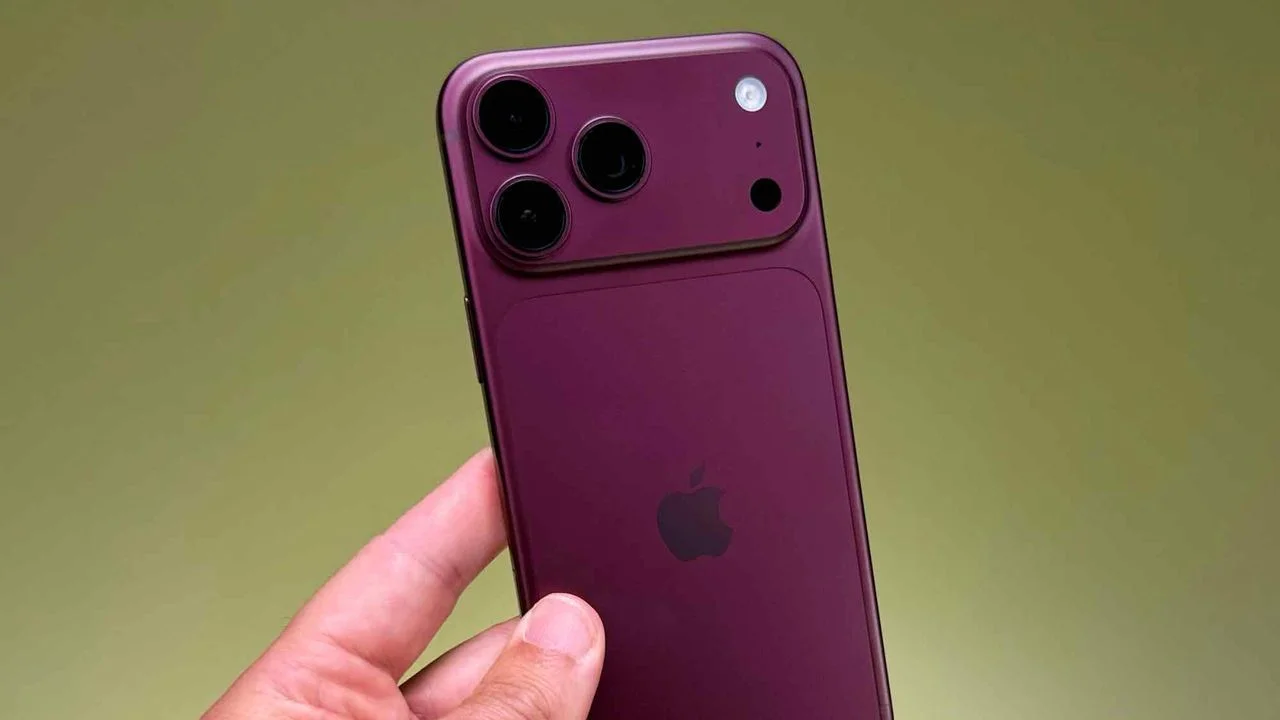
The rise of AI-generated images and alterations presents profound challenges in distinguishing reality from fabrication. As a response, Apple has unveiled a new "Reference Image" mode with its iPhone 18 Pro, designed to certify the authenticity of photos captured with the device. This innovative feature arrives amidst growing concerns about AI's impact on image integrity.
During the initiation of the iPhone 18 Pro at a recent event, Apple outlined the fundamentals behind this new camera mode. For a deeper dive into its operational mechanics and the rationale behind its development, a detailed explanation has been shared on Apple's official blog.
The Rationale Behind Reference Image Mode
Apple's motivation for implementing this technology seems clear: the accessibility and sophistication of AI tools have made creating fake images worryingly easy. Given that many camera systems now employ AI-driven post-processing, simply asserting that a photo is free of edits is far from straightforward.
While Apple acknowledges that existing standards like the C2PA framework can assist in validating images by embedding metadata that documents edits, the company has reservations. They point out that such systems could be compromised at any editing stage, leaving users uncertain about the integrity of the captured images. Privacy is another concern, as images might inadvertently associate with specific devices or users, thereby creating security vulnerabilities.
Given its substantial market presence, Apple sees itself as uniquely positioned to tackle this problem. The company aims to create a system that links image authenticity directly to a secure platform layered with protective measures from the hardware level up.
Understanding Image Authentication with Reference Image
The Reference Image mode signifies a new approach to image verification. As Apple describes, this feature establishes a reliable basis to confirm that a photograph genuinely reflects what was captured by the iPhone camera at a specified time. A specialized hardware infrastructure safeguards the integrity of each image, bolstered further by Apple’s Private Cloud Compute for privacy during processing.
Initially positioned as an exclusive feature for the iPhone 18 Pro, Apple's blog indicates broader compatibility criteria for any camera wishing to support Reference Image. These criteria comprise:
- Semantic Authenticity: The image must accurately represent what the sensor recorded, ensuring transparency about any pre-edit alterations.
- Resilience to Compromise: Image authenticity must remain intact, even in the face of potential software hacks or known cryptographic vulnerabilities.
- Privacy Preservation: This ensures that outside observers cannot link images back to their original devices, with no revelatory data passing to Apple or third parties.
Apple suggests that the tailored image sensors featured in the iPhone 18 Pro and Pro Max are crucial for achieving this standard of reliability. The company asserts that existing commercially available systems don’t match its rigorous specifications, hinting that similar frameworks won’t likely emerge on competing devices anytime soon. There remains no indication that Android manufacturers will adopt Apple’s standards, and it’s uncertain whether Apple will extend compatibility to earlier iPhone models.
Capturing a Reference Image: The Process
When the camera sensor initializes during production, the Reference Image process begins. A pairing key is generated; only one half gets shared with the manufacturing facility, which signs it using a certificate authority and records it into the device's hardware manifest. This dual-key system is fundamental to associating the full photo—pixel data, sensor metadata—to the specific camera sensor.
The process utilizes cryptographic timestamps to accurately record when a photo is taken, sidestepping potential compromises from the device's operating system clock. Specifically, iPhones periodically disclose secure timestamp tokens to define a time range, with subsequent tokens requested to establish conclusive bounds around each photograph’s capture time.
Besides the timestamping process, Apple’s Secure Enclave contributes by verifying external metadata from the camera sensor. Private Cloud Compute ensures that this data correlates to the same device, confirming the captured photo's authenticity before a secure digital negative is formed. A JPEG Reference Image is then generated from this, fortified with advanced cryptographic techniques to withstand future quantum computing threats.
Given its complexity, those interested can review Apple's in-depth explanation in their blog post. Without a doubt, Apple is investing heavily in developing a verification process for images captured on its devices. However, the current limitation to only two iPhone models means this innovation has a narrowly defined scope, despite the potential for widespread adoption given the popularity of the iPhone series.
Meanwhile, Apple maintains support for other emerging standards that combat AI manipulation, including the C2PA and SynthID. This willingness to collaborate with existing frameworks contrasts with instances in the past when Apple favored proprietary alternatives over industry standards, indicating a more open approach than witnessed before.



Discussion
Sign in to join the discussion.