Build a unique bird-watching display with Raspberry Pi that identifies local species and showcases beautiful illustrations—no AI images involved.
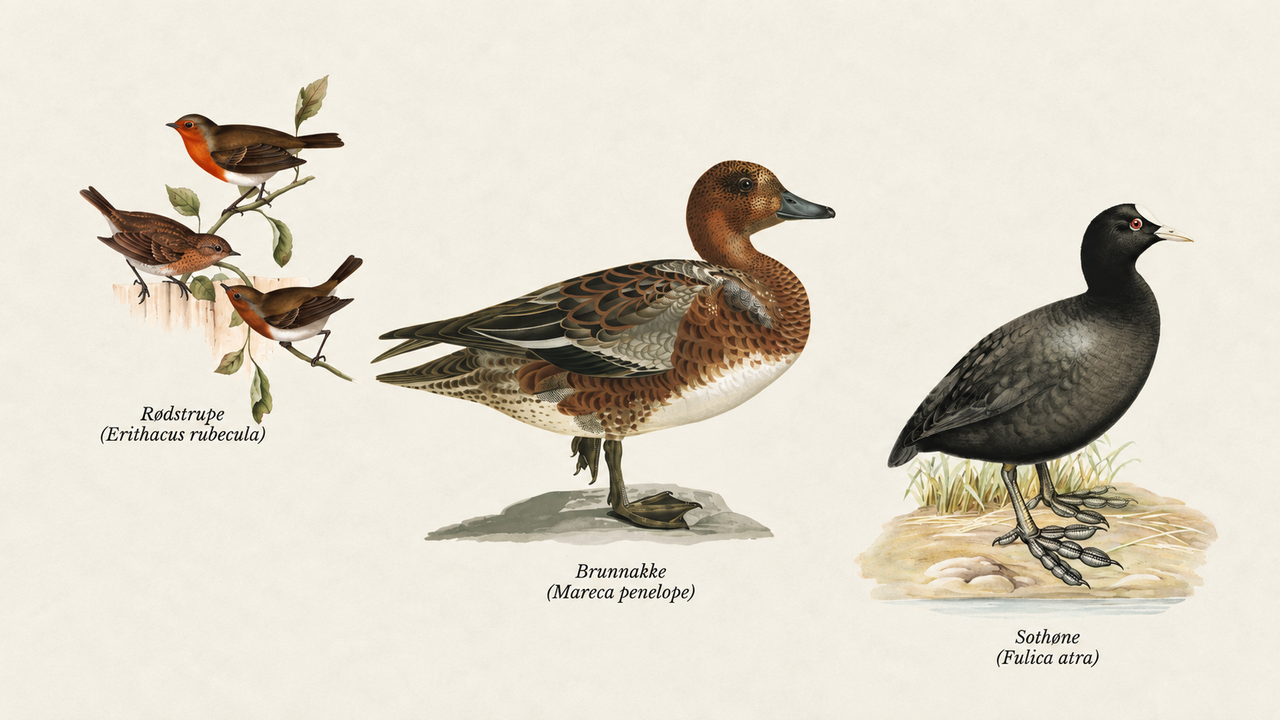
Your backyard can soon transform into an interactive art exhibit thanks to a creative open-source project known as Fugleramme. This Raspberry Pi initiative listens for bird songs, identifies the species, and presents a stunning e-ink illustration of the bird, offering a unique way to engage with nature. It’s hard to overlook how this project not only aims to enrich our understanding of avian life but also merges technology with art and history in a surprisingly harmonious manner.
What sets Fugleramme apart is its intent to supplement your environment rather than distract from it. The display doesn’t show AI-generated images; instead, it showcases carefully curated illustrations sourced from 19th-century natural-history texts. Creator Arne Giacomo Munthe-Kaas has meticulously curated these illustrations, introducing a nostalgic touch that enhances the joy of birdwatching. This combination of tech and history gives the project an added depth, making it appealing not just to tech enthusiasts but also to nature lovers and artists.
Bird Identification Made Easy
The setup begins with a microphone positioned close to a window, continuously monitoring for bird songs. At its core, Fugleramme employs BirdNET-Go, an open-source system that identifies birds by analyzing their calls. This processing takes place locally on a Raspberry Pi, meaning there's no need to send recordings to a cloud service. This local processing is significant; it addresses privacy concerns that often accompany cloud-based services, offering birdwatchers a sense of security in their interaction with technology.
Once a bird's call is detected and identified, the matching illustration is transmitted to the e-ink display. If a robin appears, its artwork will grace the screen; if a chickadee takes its turn, the frame updates accordingly. The result is a dynamic showcase of the avian life that surrounds your home. This immediacy fosters a connection with nature that you don’t get when using a smartphone or dedicated birdwatching app. Each identification feels like an event, a little moment of triumph that enhances your awareness of the environment.
There’s something particularly charming about using an e-ink display in this context. Unlike traditional screens, which tend to demand attention, the e-ink setup mimics the appearance of conventional art when idle, offering a sense of calm. This is especially relevant in an age where constant notifications and bright screens can overwhelm the senses. E-ink's gentle presentation encourages you to stop, observe, and appreciate the beauty of a bird's appearance without the distractions typical of modern devices.
Artwork With Character
Munthe-Kaas could have easily resorted to integrating an AI image generator for a fresh bird illustration at each detection. However, he purposefully chose to forego this method in favor of historical references. The project now includes over 800 bird illustrations across more than 400 species, sourced from the Biodiversity Heritage Library, as documented on their GitHub page. By opting for historical artistry, Munthe-Kaas not only honors the traditions of natural history but also critiques contemporary dependence on technology that often favors convenience over quality.
This attention to thoughtful content gives Fugleramme a distinct personality, contrasting with other tech-driven projects that often overlook aesthetic qualities. Here, machine learning powers the system behind the scenes while the visible output celebrates art from a different era. This is more significant than it looks: in a time where art generated by algorithms is prevalent, choosing to highlight historical illustrations prevents important cultural narratives from being lost in the shuffle of modern convenience.
Build Your Own Fugleramme
If you're tech-savvy and eager to create, Fugleramme is an open-source DIY venture rather than a polished commercial product. To construct your own, you'll need specific hardware, including:
- Raspberry Pi 5 (2GB)
- MicroSD card (32GB or more)
- 13.3-inch color e-ink display
- USB audio adapter
- Microphone
- A4 picture frame
After gathering the materials, you'll need to install and configure the accompanying software. Instructions and code are available on the project's GitHub page. Although Munthe-Kaas acknowledges that the project is still a work in progress, he has assembled a limited number of complete frames for sale to interested parties. If you're working in this space, consider the opportunity not just to build but to customize your Fugleramme experience, adding personal touches that reflect your own aesthetic preferences or local birdlife.
Embracing Practical AI
In a technology climate saturated with artificial intelligence, projects like Fugleramme shine as practical applications that generate meaningful interactions without overwhelming users. This system takes an intelligent approach, allowing technology to serve a specific function: recognizing birds and translating that knowledge into artistic representation. It stands in stark contrast to other tech ventures, which often seem more interested in pushing the boundaries of what's possible than enhancing everyday experiences.
Ultimately, with technology often competing for our attention, a display that draws focus back to the wonders of the natural world feels refreshingly different. What this means for you is an opportunity to reconsider how tech can augment rather than detract from the experiences that enrich our lives. Projects like Fugleramme remind us that when technology respects the environment it inhabits, it can foster deeper appreciation instead of distraction.
Future Outlook
As more people explore hobbies like birdwatching, the demand for tools that enrich these experiences is likely to grow. Fugleramme isn't just a standalone project; it could inspire a wave of similarly thoughtful applications that encourage us to connect with our surroundings through technology. If this trend takes off, we could see a new category of tech that emphasizes sustainability, art, and historical contexts, challenging conventional products that prioritize instant gratification and flashy features.
This shift may also resonate in educational contexts, sparking interest in biodiversity and art history among younger generations. The potential is there for creating platforms that blend learning with interaction. And let's face it, who wouldn't want to learn about the beauty of nature while admiring art that has stood the test of time? In the end, while technology will continue to evolve, initiatives like Fugleramme could pave the way for more thoughtful innovations in the future.
Discussion
Sign in to join the discussion.