The 2026 World Robot Conference showcased China's advancements in humanoid robotics, highlighting practical applications and the push for broader adoption.
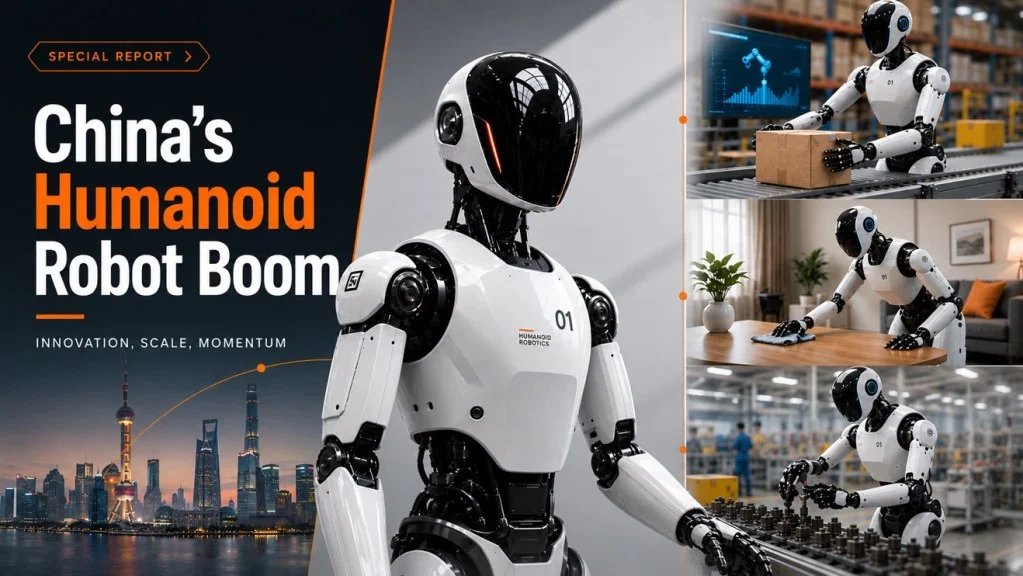
During the recent 2026 World Robot Conference (WRC) in Beijing, the future of humanoid robotics was on full display, illustrating how these machines are starting to integrate into everyday life. With the theme "Human-Robot Symbiosis, Production-Demand Convergence," the event gathered over 373 robotics companies, presenting an impressive array of more than 3,000 products, including 311 new launches.
Showcasing Practical Skills
One of the standout features of the exhibition was the shift in focus from mere capability to practical utility. For instance, Galaxea AI unveiled its Galbot series, with models like the G1 impressively navigating a simulated kitchen environment. This isn't just a showpiece; it represents a trend where functionality comes first. The G1 demonstrated its cooking prowess by toasting bread and pouring drinks, showing adaptability when the cup was repositioned, ensuring no spills occurred. The ability to adjust to real-world scenarios indicates that today’s robots are gradually moving beyond technical demonstrations to tasks you might expect from a human household member.
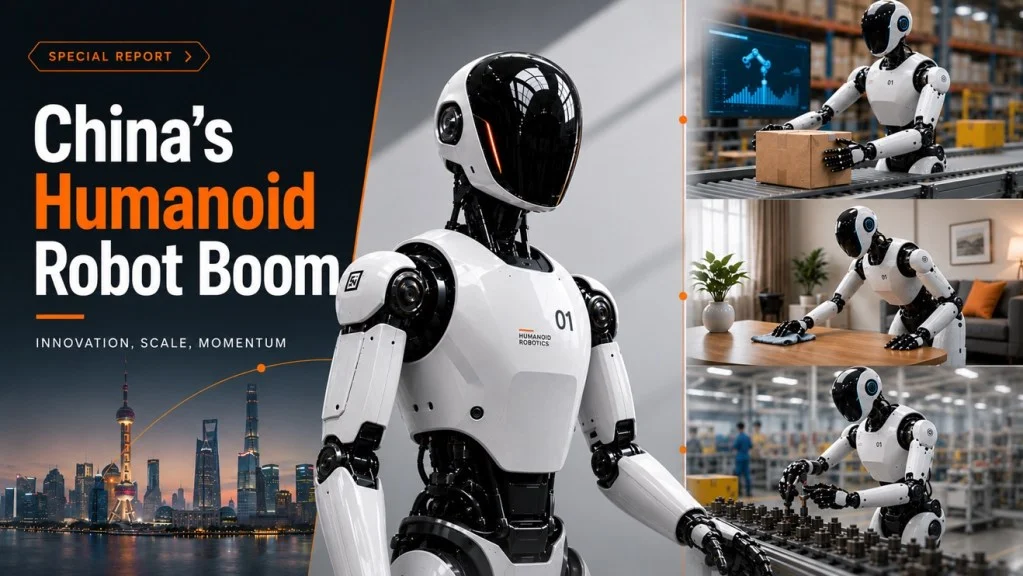
On a more entertaining note, CASBOT featured a robotic rock band consisting of an electric guitarist, bassist, keyboard player, and drummer, playing popular Chinese rock tracks and even debuting an original song titled "Heat Dissipation." This performance may appear frivolous at first glance, yet it's indicative of how robotics can touch on cultural aspects, engaging broader audiences. Music and entertainment evoke emotions, making robots more appealing and relatable. This kind of human-robot interaction could pave the way for future applications in social settings.
Li-Gong highlighted efficiency in industrial settings by showcasing two LiDian F1 robots engaged in a continuous workflow, handling tasks from disassembly to reassembly. This performance emphasized the potential for embodied intelligence to streamline manufacturing processes. Robots like the Li-Dian F1 are no longer relegated to simplistic, repetitive tasks; they’re capable of learning and refining their processes over time, hinting at a future where automation can adapt to unforeseen challenges on the factory floor.
Competitive Spirit and Biomimicry
The conference also displayed the competitive nature of robotics with kickboxing matches featuring Unitree's robots. A team from North China Electric Power University triumphed in the finals, reflecting a blend of entertainment and skill development in robotics. These competitions not only showcase agility and precision but serve as a testing ground for designs and algorithms that enhance performance under pressure.
The trend towards biomimicry was evident, with companies like UBTECH and AheadForm presenting increasingly anthropomorphic robots, refining aspects like body proportions, joint movements, and even facial features. The real kicker here is that these advancements signal a future where robots could be more relatable in everyday contexts. However, while this anthropomorphism might enhance user comfort, there's a fine line to tread regarding emotional expectations. People may project human-like attributes onto these machines, raising ethical questions about our relationships with sentient technology.
Unexpected Behaviors and Future Challenges
Some of the most captivating moments included robots exhibiting unforeseen behaviors. At the concurrent World Humanoid Robot Games, the 1.35-meter-tall Tiangong Omni won a 400-meter race in 45.66 seconds. However, it was the robot's peculiar running posture—arms raised defensively—that drew significant attention, amusing many by drawing comparisons to a bashful runner. This kind of unexpected behavior provides insight into the complexities of programming movement; even the best designs can yield surprising results in action.
Developed by the Beijing Humanoid Robot Innovation Center, the Tiangong Omni’s styling was not intentional. As explained by Han Gang, a motion-control specialist at the center, this unplanned pose was an adaptation to reduce energy expenditure during the race, as excessive arm movement could lead to increased stress on the shoulder joints. Such revelations open up a new realm of possibilities for studying biomechanics in robotics, leading to potential improvements in both design and function.
From Trials to Everyday Integration
China's humanoid robotics sector is now at a pivotal juncture, transitioning from exhibition showcases and limited trials to broader, dependable applications. The push to embed these robots into daily life presents both a challenge and a significant opportunity for the industry. This is where things get complicated: while the potential benefits are enormous—from increased productivity in industries to new possibilities in home automation—the road to real-world integration won't be smooth.
If you're working in this space, you'll need to consider not just the technical challenges but also public perception and acceptance. As robots take on more human-like roles, the questions surrounding data privacy, job displacement, and ethical deployment will come to the forefront. You could argue that public resistance to robots in the workplace and home could stifle innovation long before it reaches its peak. That's a reality that developers and manufacturers must account for as they shape their market strategies and product launches.
Implications and Future Outlook
The advancements seen at the WRC suggest that we’re on the precipice of a new era in robotics. Companies that can successfully blend functionality with user-friendliness and cultural acceptance will likely emerge as leaders in this burgeoning field. But what remains uncertain is how society will adapt. Will we embrace these technologies or harbor reservations? The implications extend beyond just the robotics sector; they touch on economic models, social structures, and the very fabric of daily life. As this unfold, stakeholders—be it consumers, industry leaders, or policymakers—must tread carefully, balancing the benefits of automation with the inherent risks.


Discussion
Sign in to join the discussion.