Mango TV debuts “The Later Journey to the West,” China's first AI-generated long-form drama, adapting to audience feedback in real-time.
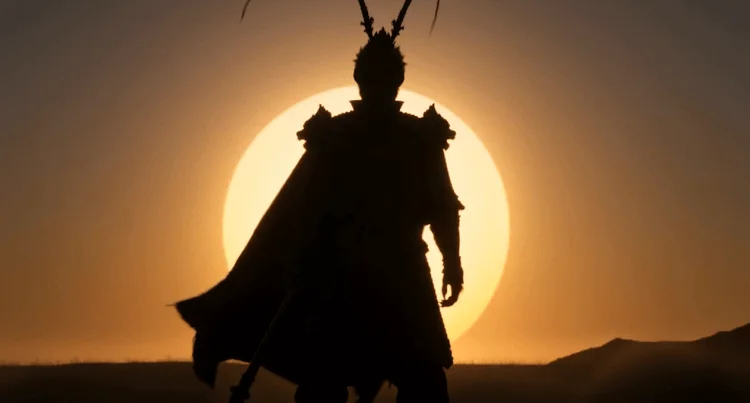
Debuting AI-Generated Drama
Mango TV has premiered “The Later Journey to the West,” a pioneering AIGC long-form drama that is now available to stream and airing during prime time on Hunan TV. The show's first season, focusing on the Huaguoshan arc, marks a significant moment for AI-generated content in Chinese television. This debut represents not merely a shift in production but an exploration of new storytelling possibilities that AI can bring to the screen. The series, inspired by a classic tale, integrates traditional narrative structures with modern technology, challenging the conventions of content creation.
The Significance of AI in Television
The advent of AI in the television industry isn't just an interesting footnote; it’s potentially transformative. AI-generated content allows for automated scriptwriting, casting suggestions, and even editing, which can significantly reduce production time and costs. While this technology can generate vast amounts of content, it raises questions about quality and audience connection. How relatable can AI-generated stories be? Does the absence of human creativity undermine emotional engagement? Traditionalists might argue that the soul of storytelling lies in human experience, and while AI can mimic patterns, the subtleties of human emotion and experience might get lost in translation.
Dynamic Production Model
This series was produced through Mango TV's Mango Lingchuang AI content platform, which employs a unique rolling production model. This approach enables simultaneous production, review, and broadcast, allowing later episodes to be tailored based on viewer reactions and regulatory comments. It's a model designed to enhance responsiveness in a market that's increasingly driven by viewer preferences. This method effectively tests how generative technology can be integrated into mainstream content workflows, setting the stage for an evolution in how stories are crafted and consumed. There's an inherent risk, of course: the need to adapt quickly could lead to creative stagnation if producers play it too safe.
The Viewer’s Role in Content Development
The dynamic model doesn’t just give the producers a mechanism for rapid iteration; it also involves viewers in a more direct way than before. Audience feedback has always influenced showrunners, but this system takes it to the next level. Viewers now have a real stake in shaping the series as it unfolds, which can lead to more personalized content experiences. But there’s an interesting paradox: can the audience really inform creativity without diluting artistic expression? While involvement can foster investment, it can also force creators to cater to the loudest voices rather than a broader audience. This is more significant than it looks—audience-led content risks becoming a homogenous mix dictated by the least common denominator.
The Intersection of Technology and Art
At the heart of projects like “The Later Journey to the West” lies a core philosophical question: can machines truly grasp the essence of art? Similar systems typically rely on algorithms that analyze existing works to produce scripts or narratives, but that doesn't equate to genuine creativity. If you're working in this space, you'll appreciate how the partnership between AI and human creators impacts the storytelling process. It raises discussions about authorship, originality, and what it means to create an artwork. The balancing act between technology and creative nuance becomes essential. Will AI stand as a mere tool or evolve into a collaborator in crafting narratives?
Future Implications for Content Creation
The implications of AI-generated dramas extend beyond mere entertainment. As these technologies evolve and the acceptance of AI in media grows, we could see a new era in content creation that prioritizes efficiency as much as engagement. The entertainment industry might move towards a model where AI plays an influential role in determining not just how content is made but also what content is consumed. This could democratize production; smaller creators might gain access to sophisticated tools previously reserved for large studios. Even so, it’s essential to tread carefully. (And this is the part most people overlook): the human element is critical in storytelling. Technologies can assist, but they shouldn't replace the unique insights borne from lived experiences that give depth to narratives.
Conclusion: A New Chapter in Entertainment
The launch of “The Later Journey to the West” represents a notable chapter in the intersection of technology and storytelling. While many remain skeptical about the role of AI in creative fields, the early experiments yield valuable lessons. It could serve as a litmus test for future endeavors in AI-generated media, offering insights into audience engagement dynamics, narrative construction, and the essence of creativity itself. How this will play out in the long term remains to be seen, but one thing's clear: as the world watches, the conversation surrounding AI's place in the arts will only grow more intense.



Discussion
Sign in to join the discussion.