Ford's Transit City electric van has begun production in China, targeting the European market with impressive specs and promising early deliveries.
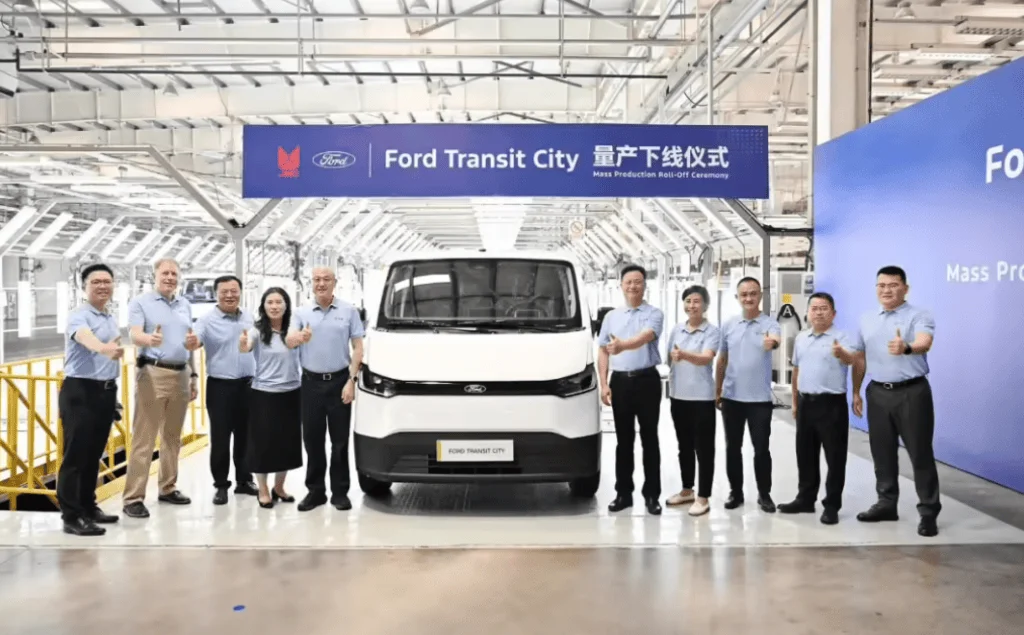
Production Begins at Jiangling Motors
Ford has officially commenced production of its Transit City electric commercial van at Jiangling Motors' Xiaolan plant in Nanchang, marking a pivotal move into the European market. Approximately 1,000 units are slated for export, signaling Ford China’s commitment to expand its footprint in developed markets.
This isn't just another manufacturing milestone. Ford's decision to ramp up electric vehicle (EV) production in China and ship these models to Europe reflects broader industry trends where automakers are increasingly pivoting towards electrification. Competitors like Volkswagen and General Motors have already established themselves in this segment, making it imperative for Ford to solidify its presence quickly. The growing demand for sustainable mobility solutions across Europe has prompted significant investment in EV production facilities, something many observers will be watching closely.
Moreover, as legislation around emissions continues to tighten, this move could give Ford an edge, catering to businesses looking for compliant fleet solutions. The European market has become acutely sensitive to environmental concerns, which makes any well-timed entry into this space all the more significant. If Ford can successfully navigate the complexities of European regulations and consumer preferences, it could solidify itself as a major player in the electric commercial vehicle segment.
Specifications and Capabilities
The Transit City van, created in collaboration with Ford's global engineering teams and Jiangling, features a 56-kilowatt-hour LFP battery along with a 110-kilowatt front motor. This setup boasts a WLTP range of up to 254 kilometers, alongside a notable payload capacity of up to 1,600 kilograms. With European order books opening in Q2, the first deliveries are anticipated by year-end.
When you break down the technical specifications, several points stand out. The LFP (lithium iron phosphate) battery technology being used is gaining traction for its thermal stability and longer life span compared to traditional lithium-ion batteries. These characteristics make it particularly advantageous for commercial vehicles that undergo high usage rates and need reliable performance over time. The range of 254 kilometers is competitive for urban deliveries but may raise questions in a market where competitors offer longer ranges. Fleet operators who depend on longer trips might find that less appealing.
The motor's 110 kilowatts translates to about 150 horsepower, which should be adequate for urban environments but remains below the capabilities of some competitors. Most electrics in this category tend to offer more punch, so if Ford wants to challenge established rivals, it might need to squeeze out more performance in future iterations. But let's not overlook the payload capacity. A maximum of 1,600 kilograms is promising and caters well to businesses involved in logistics, construction, and other heavy-duty sectors. This kind of capability can help set Ford apart while serving a diversified range of operational needs.
Competitive Context
Ford isn't the only automaker making waves in the electric commercial van sector; key players like Rivian, Mercedes-Benz, and the UK's Arrival are also vying for market share. Rivian's R1T, for example, has been praised not only for its aesthetics and performance but also for its technological aspects that appeal to fleets and independent drivers alike. Similarly, Arrival’s approach of building ultra-lightweight commercial vehicles could pose a competitive dilemma for heavier models like the Transit City. As these companies innovate, Ford needs to stay agile.
The situation is somewhat reminiscent of Ford's earlier days with their internal combustion engine vehicles. When they launched the Transit line in Europe years ago, they had to compete with established European brands. Ford crafted a strategy that emphasized variety—providing customers with hints of performance, utility, and cost-effectiveness. In the electric vehicle game, Ford must now apply these lessons learned to tackle a new breed of competition. How effectively Ford can apply its legacy brand skills while innovating in electrification will be critical.
(And this is the part most people overlook.) Entering a market isn't merely about product specs; it's about meeting customer expectations at various touchpoints. Ford's reputation for aftersales support and dealer network access could play a major role in potential buyers' decisions. Companies in this space are often attracted to the total cost of ownership rather than just the upfront purchase price, and Ford must position itself accordingly.
Implications and Future Outlook
The commencement of production for the Transit City van has implications that stretch well beyond Ford's immediate business objectives. It signals a growing acknowledgment of the transition to electric vehicles globally—even among manufacturers traditionally associated with fossil fuels. The market can expect to see more automakers ramping up their electrification efforts, not just for passenger cars but also for commercial applications. This may provoke a new round of innovation competition, pushing manufacturers to enhance efficiency, design, and technology.
What this means for you, the industry professional, is that staying on top of product offerings will be crucial. Providers will likely respond with better specifications, improved technological features, and possibly even more attractive financial incentives. If competitors like Rivian and Arrival continue to innovate, Ford may need to rethink not only the Transit City’s specs but also its entire strategy in the commercial EV market. Can they adjust quickly enough to leverage their brand strength while remaining nimble enough to shift gears based on competitor actions?
Ultimately, Ford's entry into the electric commercial van space represents a moment of significance in the automotive industry, one that doesn't just affect the existing players but sets a tone for future developments. As more companies opt for electrification and sustainability, the competition will grow fiercer, and the consequences of miscalculating market dynamics could be significant. This is more significant than it looks—perhaps even a pivot point for Ford as it charts its course in a rapidly changing automotive environment.



Discussion
Sign in to join the discussion.