Apple Watch users with Series 6 or later can now access watchOS 11, which introduces new health-focused apps and customization options.
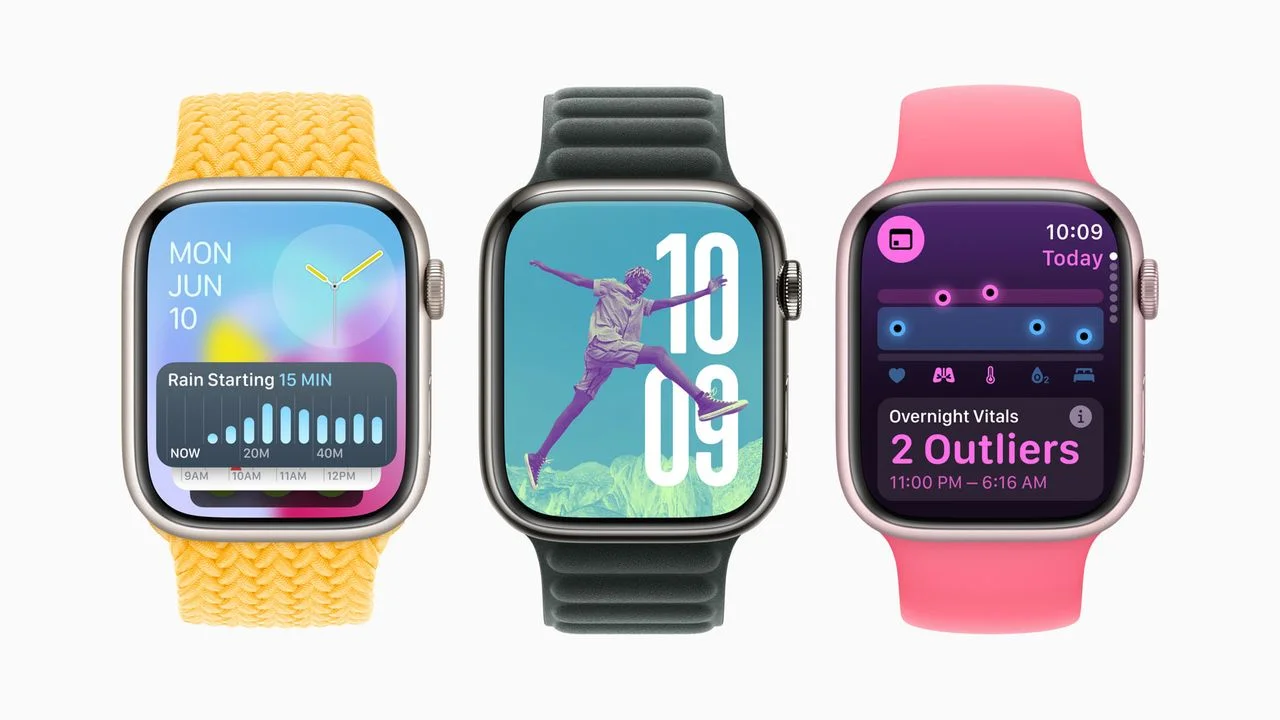
watchOS 11 has officially rolled out for Apple Watch models starting from Series 6. Announced during the WWDC 2024, this update aims to enhance the Apple Watch’s capabilities, particularly in health monitoring and applications, in a landscape where such features continue to play a critical role in users' day-to-day lives. After undergoing extensive beta testing, which often reveals not just new features but also crucial bugs and user experience tweaks, it’s now available for all eligible users eager to upgrade their devices.
New Features and Enhancements in watchOS 11
This update brings Live Activities to the fore, signifying a major leap in real-time engagement for users. This feature, while perhaps overshadowed by the lack of new AI functionality present in companion updates for iPhone and Mac, offers real-time insights into various activities—think workout sessions or the progression of a sports game right on your wrist. Users can expect notifications and interactions that promise to make the Apple Watch an even more integrated part of daily life. However, the absence of AI capabilities does raise questions about how much more Apple could squeeze out of existing technologies. If you're hoping for application smarts akin to those on iPhones or iPads, this gap is certainly noticeable.
For those interested in updating, the process is straightforward. You just need to open the Apple Watch app on your iPhone, go to General, and tap on Software Update. If the new version isn’t immediately visible, check the top option to select between watchOS 10 and 11. Given the nature of these updates and typically high demand, installation times can vary, so it's wise to plan for this. Those rushing to get the latest features might find themselves waiting longer than anticipated. Patience, as they say in tech, is a virtue.
Another essential step before hitting “update” is backing up important data. This is often an overlooked aspect, yet it ensures that your vital information—think watch faces, applications, and health tracking data—is not lost in the process. Using iCloud for this backup could spare users considerable grief. If there's one lesson in technology, it's that things can and do go wrong, and being prepared is always wise.
Compatible Apple Watch Models for watchOS 11
As is typical with major software upgrades, Apple has discontinued support for older devices. This practice often raises eyebrows among long-time Apple users. The following models will no longer receive updates since the introduction of watchOS 10:
- Apple Watch Series 4
- Apple Watch Series 5
- Apple Watch SE (1st generation)
This exclusion isn’t just a simple cut-off; it reflects Apple’s ongoing strategy to encourage owners to invest in newer models. Here's the list of Apple Watches confirmed to support watchOS 11:
- Apple Watch SE (2nd generation)
- Apple Watch Series 6
- Apple Watch Series 7
- Apple Watch Series 8
- Apple Watch Series 9
- Apple Watch Ultra
- Apple Watch Ultra 2
Keep in mind that not all compatible models will support every feature due to variations in sensor technology, especially for functions like blood oxygen monitoring. This caveat often gets lost in the excitement around upgrades. Features that require specific hardware won't magically work on older devices, and that's something users need to be aware of before making the jump. For deeper compatibility details, refer to Apple's official page.
Future Outlook and Implications
The launch of watchOS 11 could be more significant than it looks at first glance. Apple’s continued push into health and fitness tracking is a strategic one, reinforcing its commitment to being a go-to brand for users looking for comprehensive solutions to manage their well-being. This space is becoming increasingly competitive, with companies like Fitbit and Garmin also enhancing their offerings. So, if you’re working in this space, you should take note: keeping pace requires constant innovation.
For Apple, the ability to continuously integrate and refine health features may provide a competitive edge, especially with growing consumer interest in wearable health technologies. As more users adopt smartwatches for health monitoring, the capabilities and accuracy of features like Live Activities become vital differentiators. This means Apple needs to continuously invest in research and development to stay ahead.
And yet, the limitations imposed by dropping support for older devices could frustrate many loyal customers, leading to discussions about planned obsolescence. In an era where sustainability is on everyone's mind, how Apple navigates this conversation will be an interesting angle to watch moving forward.



Discussion
Sign in to join the discussion.