iOS 18 and iPadOS 18 are now available, introducing new features while Apple Intelligence will debut in future updates later this year.
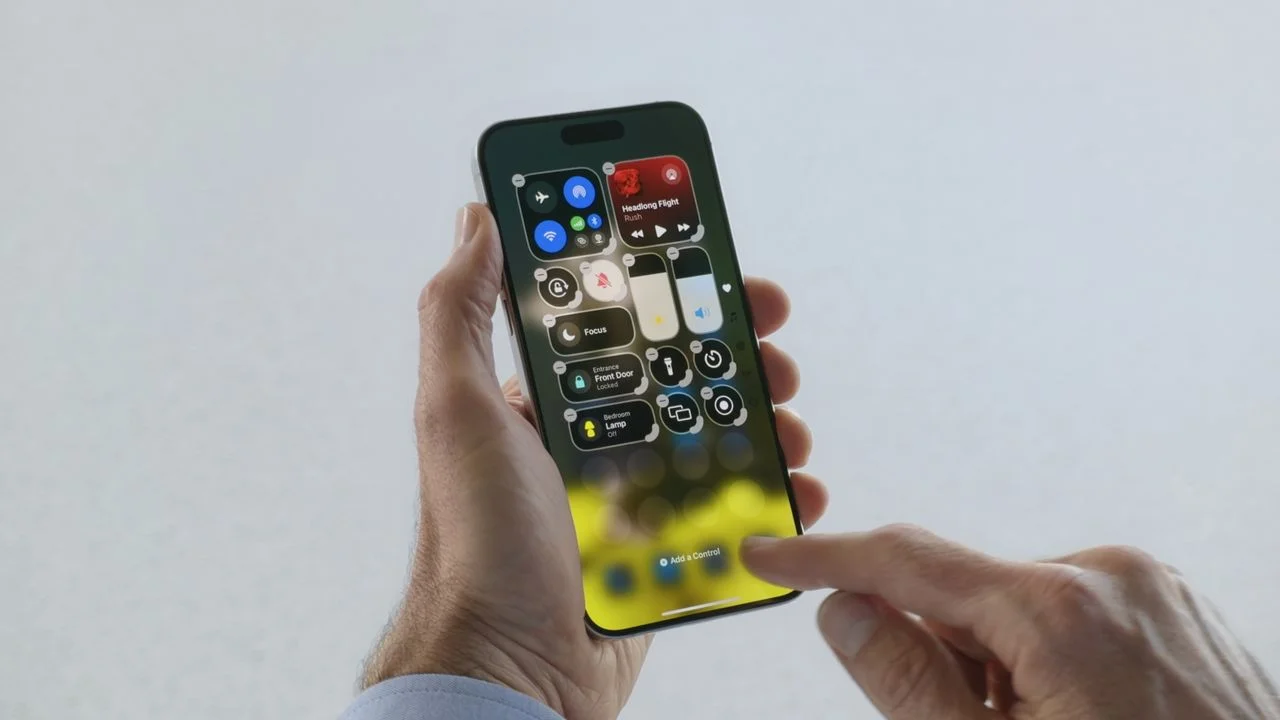
After months of anticipation, Apple has officially released iOS 18 and iPadOS 18 to the public. These updates, announced during the WWDC 2024 event on June 10, arrive just as excitement builds for the new iPhone 16 launch. This timing isn't coincidental—Apple often synchronizes its software rollouts with its hardware announcements in a bid to create a cohesive ecosystem around its flagship products, further enhancing user experience and engagement.
Key Features and Improvements
Among the standout changes, a redesigned Photos app promises to enhance user interaction, offering more ways to browse and manage images. This revamp reflects a broader trend in which users expect more intuitive interactions with their devices; they want tools that not only work but work efficiently and stylishly. Also notable are expanded customization options for the Home Screen, allowing users to modify icon colors and layout preferences. These tweaks may seem minor but can significantly affect user satisfaction, especially for those keen on personal expression through their devices.
Likely the most talked-about addition is the long-requested RCS messaging support, which addresses user frustrations with Apple's traditional messaging protocols. RCS, or Rich Communication Services, aims to bring a richer messaging experience, akin to what many Android users have enjoyed for years. This feature represents Apple's shifting stance toward competitor features, acknowledging market demands while still maintaining its distinct ecosystem.
Updating Your Device
Updating your device is fairly straightforward. Simply navigate to the Settings app, select General, and tap on Software Update. If the update doesn’t appear immediately, you can toggle between iOS 17 and iOS 18 at the top of the screen. However, you'll want to be prepared for potential delays in installation due to high demand. So, patience might be as essential as speed in this scenario.
Before you proceed with the update, consider creating an iCloud backup to safeguard your essential content. While most updates are relatively reliable, unexpected glitches can occur. Protecting your data should always be a priority before diving into new software, and many users overlook this crucial step.
Apple Intelligence Features on the Horizon
While the anticipated Apple Intelligence suite is generating buzz, it won't be part of the initial iOS 18 release. This collection of advanced AI features, including live transcribing and generative image tools, is set to roll out with iOS 18.1 later this year. This is particularly true for the iPhone 16, iPhone 16 Pro, and iPhone 15 Pro. The implications of adding sophisticated AI capabilities cannot be understated, given the increasing competition in this space. Apple is betting on these features to not only attract new users but also retain existing customers who might be tempted by rivals.
The initial release will support U.S. English, with additional localizations to roll out in December for several English-speaking countries. This rollout strategy is likely a calculated move, allowing Apple to test functionality and gather feedback before committing to a broader implementation. You'll see future updates bringing support for languages like Chinese, French, Japanese, and Spanish in the coming year. The pacing of localized features could either bolster or hinder Apple’s adoption rates in diverse markets; immediate support for various languages is an often-overlooked aspect of software releases that can affect global competitiveness.
New emergency functionalities are also noteworthy, such as Messages Via Satellite and Emergency SOS Live Video, along with Roadside Assistance features. These updates speak to a growing demand for safety features in technology—users don’t just want convenience; they want reassurance that their devices can help them in emergencies. Apple is smart to prioritize these functionalities, as they address real-world needs that resonate with users on a personal level.
Implications and Future Outlook
What does this mean for you, the user? iOS 18 and iPadOS 18 might appear as incremental updates at first glance, but they reflect Apple’s larger strategy to fend off competition and improve user satisfaction. Features like RCS messaging and AI enhancements show Apple listening to customer feedback, or at least seeming to do so while trying to retain its ecosystem’s exclusivity. This isn’t merely about software updates; it’s a step toward evolving what users expect from their devices.
And yet, the absence of Apple Intelligence features in the initial rollout raises questions about Apple's readiness to compete in the rapidly advancing AI space. Competitors are already pushing boundaries, and Apple can't afford to lag. As users anticipate these functionalities, any delays or shortcomings could lead to disappointment. The urgency to meet these expectations can't be overstated.



Discussion
Sign in to join the discussion.