Enterprise observability requires a tailored approach, spanning beyond cloud-native tactics to encompass various system architectures and team needs.
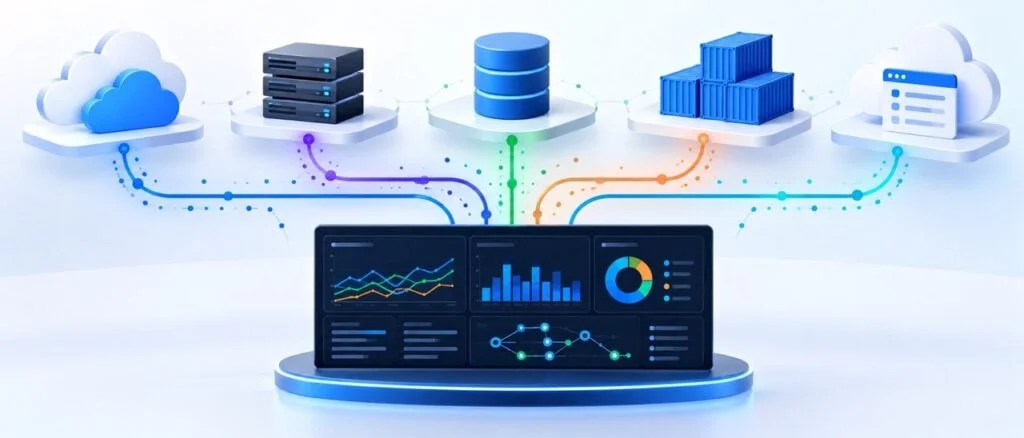
Rethinking Observability for Enterprise Environments
Observability in enterprise settings isn't just about cloud-native technologies like Kubernetes or microservices; it's about accommodating a diverse array of systems and operational demands. Organizations often manage various platforms, from databases to traditional applications, each of which brings its own complexities to the table. This multifaceted environment doesn't lend itself to a one-size-fits-all approach to observability, which can lead to oversights and missed opportunities for optimization.
Understanding the Enterprise Complexity
It's easy to get caught up in the narrative that cloud environments are solely about microservices and containerization. Yet, not all teams operate on these cloud-native architectures. Many continue to rely on virtual machines, legacy systems, or SaaS products—all of which require different strategies for monitoring and visibility. What’s essential to grasp is that just because something runs in the cloud doesn’t make it inherently cloud-native, nor does it imply that it requires the same level of observability. This misunderstanding can result in resource misallocation and hinder an organization’s ability to respond proactively to issues.
Organizations that operate in hybrid environments face the unique challenge of integrating these diverse technologies into a cohesive observability framework. For example, a company using a mix of cloud services and on-premises software can find itself struggling to create a unified approach to monitoring and incident management. As a result, some teams might overlook vital performance indicators simply because they don't fit neatly into existing cloud-centric tools and methodologies. If you're working in this space, you know how critical it is to recognize the varied operational contexts when designing observability strategies.
Customizing Observability Approaches
A key insight is that observability designs must align with both the systems involved and the operational capabilities of the teams managing them. For instance, some teams may be equipped to handle intricate telemetry integration involving detailed metrics and complex data feeds. Others may rely on simpler, pre-configured tools that require minimal maintenance and upfront configuration. The challenge lies in ensuring that observability practices resonate with the actual context in which a team operates, rather than imposing a rigid framework that doesn’t reflect their on-ground realities.
If teams are forced to adapt to a model that overlooks their unique needs, it can lead to frustration and inefficiency. A well-tailored observability approach is about more than just measurement; it’s about equipping teams with the insights they need to be proactive. When a team can monitor their specific operational context, they can respond quickly to anomalies—before those anomalies escalate into serious issues.
Visibility Needs Vary Among Systems
Different systems necessitate distinct levels of visibility based on their operational characteristics. For predictable environments—like a database functioning on set parameters—basic metrics and alerts can suffice. They're straightforward and often effective. On the flip side, complex or distributed systems often require extensive correlation of metrics, logs, and traces, allowing teams to identify root causes or interdependencies that aren't immediately obvious. This distinction underlines the necessity for agility in observability strategies, avoiding oversimplification driven by uniform cloud-native practices.
It's this flexibility that often gets overlooked: the nuances in performance, data requirements, and response protocols are critical to operational success. Systems that behave in predictable patterns will not generate the same volume of alerts as those that operate in a distributed and complex fashion. To manage this effectively, teams must craft observability strategies that embrace these differences rather than forcing disparate systems into a one-size-fits-none solution.
Measuring Effectiveness by Outcomes
Rather than relying solely on technical complexity as a yardstick for observability, it’s more effective to focus on the decisions that observability enables. Teams should be able to detect significant changes, pinpoint affected components, and determine responsibilities without delay. An effective observability system must provide actionable insights, streamlining the transition from detection to response. This focus transforms observability from a technical requirement into a strategic asset that enhances an organization’s agility.
You want insights that lead to action, not just data points that pile up in a dashboard. The ability to quickly assess incidents and orchestrate a response could make the difference between a minor hiccup and a full-blown system outage. That’s what high-performing teams need; they don't just want data — they want clarity and direction.
A Broad Perspective on Observability
The conversation around observability must broaden if organizations want to stay competitive. While cloud-native practices undeniably shed light on systemic behavior within environments that adopt these technologies, they don’t encompass the entirety of enterprise needs. Modern observability tools should also facilitate comprehension of different operational frameworks, empowering teams to manage their specific contexts effectively.
Successful observability efforts harmonize technical capabilities with the real-world dynamics of organizational workflows and responsibilities. This nuanced approach is essential for organizations looking to cultivate deeper insights into their systems. However, don't get trapped in the cycle of constantly adopting the latest trend without considering your own unique context. The real question is: does your observability strategy match your operational reality?
The Future of Observability
This isn't just about immediate needs; the future implications of observability are significant. Organizations that adapt to a more contextual view of observability today will likely outperform their competitors tomorrow. As the complexity of technology stacks continues to evolve, so will the demands on observability solutions. New capabilities will emerge, and therefore, adaptable strategies become fundamental.
This is the part most people overlook: adaptability will determine who thrives in this environment. Teams that can shift their observability methodologies based on changing operational demands will respond more effectively to challenges. The old saying rings true — "teams that adapt, survive." Thus, organizations must start rethinking how observability fits into their broader operational picture. It’s not merely a box to tick; it’s a strategic lever. After all, the stakes are higher than ever.



Discussion
Sign in to join the discussion.