The Apple Watch SE 3 is under development with a plastic casing aimed at lowering costs, while potentially introducing new health features.
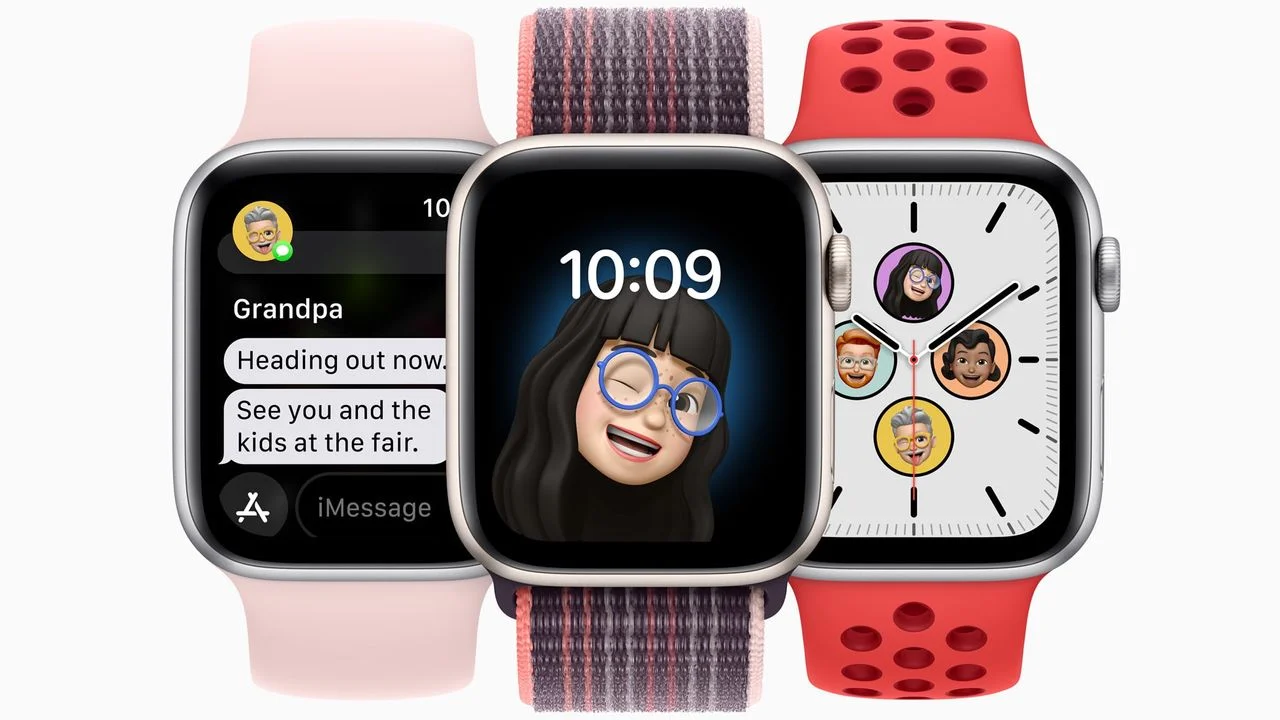
Recent insights indicate that the Apple Watch SE 3 remains in 'active development', marked by a shift to a plastic casing. This strategic move could significantly reduce the device's price, according to Mark Gurman's Power On newsletter at Bloomberg.
While Gurman speculates about the inclusion of a new chip, he hasn't confirmed if it will be the S10, which is already featured in the Apple Watch Series 10, launching soon on September 20. Despite expectations, the SE 3 was notably absent from Apple’s recent event where the Series 10 and a new Satin Black finish for the Apple Watch Ultra 2 were introduced. This omission raises questions about Apple’s strategy moving forward and whether the SE line is being downplayed in favor of their more premium offerings.
The existing SE model, released in 2022, lacks advanced features like ECG monitoring and an always-on display. Transitioning to a plastic build could enable Apple to lower the SE's price while possibly adding features like ECG monitoring. At present, the SE retails at $249 / £219 and serves as an entry-level option for those new to Apple’s wearable technology. The absence of certain functionalities could hinder its appeal, especially with the competitive smartwatch market gaining traction.
Potential Price Adjustments for the Apple Watch SE 3
The Apple Watch SE has consistently occupied the budget-friendly segment of the lineup, appealing to first-time users curious about health and fitness tracking. The current model faces competition from alternatives like the Fitbit Versa 4, which offers features like ECG and sleep tracking for $199. This competitive pressure places Apple in a tight spot regarding the SE line.
Switching from aluminum to plastic could potentially push the Apple Watch SE 3's price below $199, possibly even towards $149. Such a shift might seem simple, yet it involves significant implications for Apple’s branding. If they offer a plastic version, they could attract a larger non-premium audience, but this risks eroding the brand’s premium image. By integrating functionalities like ECG and sleep monitoring, Apple could position the SE 3 as a highly competitive option for budget-conscious consumers. A compelling offer here is essential; users expect more than just design changes—they're looking for features that genuinely enhance their health tracking experience.
Market Positioning and Consumer Trends
Apple's strategy with the SE series reflects broader trends in consumer technology, where practicality often takes precedence over premium aesthetics. Traditionally, the SE line has aimed to provide a more accessible entry point into Apple's ecosystem, allowing users to experience the brand without a hefty investment. As the wearables market sees rapid advances in health monitoring technology, users are becoming increasingly discerning. Devices that lack essential features won’t garner much interest. Apple must strike a balance between cost, functionality, and brand perception.
Consumer preferences are shifting, especially in the wake of rising economic pressures. Many potential buyers are looking for devices that deliver value without sacrificing quality. If you're working in this space, you know that the simpler designs and fewer features often come at a cost—consumers might opt for a device that feels outdated right out of the box if it doesn’t meet their expectations.
(And this is the part most people overlook): the importance of evolving product lines to meet shifting consumer behaviors. Offering consumers a device at a lower price point doesn't just represent a finance-savvy decision; it also signals to the market that Apple recognizes changes in spending habits. Competing against well-established brands like Fitbit will require not just feature parity but an understanding of consumer psychology.
Implications and Future Outlook
The implications of introducing a plastic casing and adjusting the pricing can't be overstated. If Apple manages to deliver an affordable device with sought-after features, they could solidify their position in the entry-level market while simultaneously increasing sales volumes. This could help cushion the potential impact of economic downturns that might see consumers tightening their wallets. A successful SE 3 could also mean a reinvigoration of interest in the Apple Watch line, potentially offsetting any negative perceptions stemming from its absence at major product launches.
This isn't just about price and materials; it’s about how Apple continues to portray itself. A more affordable Apple Watch SE 3 could democratize access to their ecosystem, but if it falters in functionality, it risks diluting brand loyalty. Apple has to navigate this precarious balance between low costs and high expectations while continuing to innovate with features that resonate with health and fitness trends.



Discussion
Sign in to join the discussion.