iOS 18's new Repair Assistant tool empowers users to manage iPhone repairs with genuine parts, streamlining the process and reducing downtime.
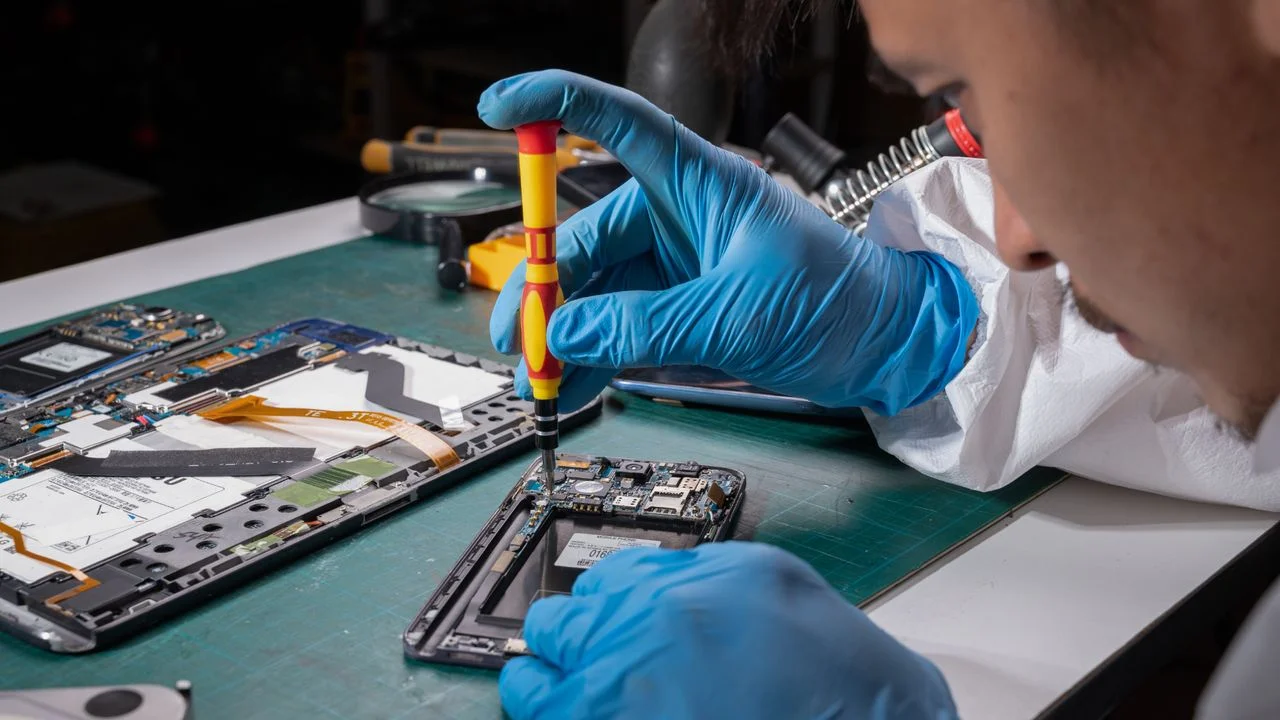
iOS 18 has rolled out a noteworthy addition: the 'Repair Assistant' tool. Designed to empower users, this feature allows the pairing of genuine parts—like displays and batteries—directly with iPhones, enhancing repair flexibility.
Initially highlighted in an April announcement, additional insights were revealed by MacRumors. The 'Repair Assistant' facilitates the self-pairing of components for users of iPhone 12 and later models, which previously required Apple’s intervention. Now, both individuals and third-party repair providers can complete this step independently, making the repair process more accessible.
Users can also verify the status of replacement parts via Settings > About > Parts and Service, enhancing transparency in repairs.
Improving Accessibility and Control for Users
At first glance, the 'Repair Assistant' might seem like an incremental upgrade. However, this tool significantly shifts how users interact with their devices, especially when problems arise. Previously, if an iPhone had a faulty battery or cracked display, users often felt at the mercy of the Apple ecosystem. Engaging with customer support could be an arduous process, leading to long wait times while devices were shipped for repair. With the 'Repair Assistant', users gain the power to handle issues more independently. This simple act of pairing parts not only speeds up repairs but also fosters a greater sense of control.
This development comes at a crucial time when discussions about repairability and sustainability in technology are intensifying. The push for self-repair reflects a broader trend toward consumer rights in tech; many users are looking for ways to prolong the life of their devices rather than contribute to a culture of disposability. The option to use genuine parts means repairs are more likely to maintain the device’s integrity and performance, addressing both user choice and environmental concerns simultaneously.
Benefits for Users and Retail Workers
Reflecting on past experiences in tech support, dealing with lengthy repair turnarounds often tested customer patience. Devices sent off for diagnosis could leave users without their iPhones for three weeks or more—frustrating for anyone reliant on their phone for work or personal use.
The introduction of the 'Repair Assistant' addresses these concerns significantly. Customers can now enjoy quicker repairs as third-party shops can handle genuine parts without needing to send devices back to Apple. This likely reduces downtime and minimizes compatibility issues, leading to smoother repair experiences. If you're working in this space, you'll find this streamlined process could drastically change how customers approach repairs, moving from frustration to empowerment.
Ultimately, this change benefits all involved. Users gain from reduced repair times, boosting their productivity and satisfaction. Retail staff now have an effective tool in their arsenal, allowing them to guide customers toward local repair shops. They can also provide the option to purchase parts for DIY repairs, encouraging a hands-on approach that fosters further engagement with Apple products.
The Industry Implications of 'Repair Assistant'
The impact of the 'Repair Assistant' tool extends beyond individual users and repair shops—it could reshape competitive dynamics in the tech industry. Apple's decision to enable self-pairing of parts aligns with a growing recognition of right-to-repair movements. These initiatives advocate for consumers' abilities to repair their own devices without having to rely solely on manufacturer services. This could encourage other tech companies to reevaluate their stances on repair policies, potentially triggering a shift in industry norms.
Yet, one must consider the potential downsides. As more independent repair services gain the capability to use genuine parts, there's a risk that quality may become inconsistent across providers. While Apple may provide guidelines, the oversight of these third-party shops can vary significantly. The assurance of quality that's synonymous with Apple products might be diluted if repairs aren't done correctly. And this is the part most people overlook—just because a part is genuine doesn't guarantee a flawless repair by an untrained technician.
Future Outlook for Device Repair
As we look ahead, the 'Repair Assistant' is just the tip of the iceberg in Apple's ongoing commitment to user empowerment and sustainability. If this model proves successful, there may be further enhancements in iOS that promote more seamless integration between genuine parts and user ownership. Subsequent versions might expand the tool's capabilities to include more detailed diagnostic features or additional support for even older iPhone models.
In the end, users will likely continue to advocate for more autonomy in tech repair. That could mean more tools, more transparency, and perhaps a redefined relationship between consumers and manufacturers. Apple, with its finger on the pulse of consumer needs and trends, has a significant opportunity here—not just to improve its customer service but to position itself as a leader in the responsible tech market. If you’re a customer or a repair professional, keep an eye on these developments; they’re not just tech updates, they’re cultural shifts in how we view and manage our devices.



Discussion
Sign in to join the discussion.