RapidFort is enhancing cloud-native security by integrating with Wiz and Aqua Security, aiding DevSecOps teams in vulnerability remediation.
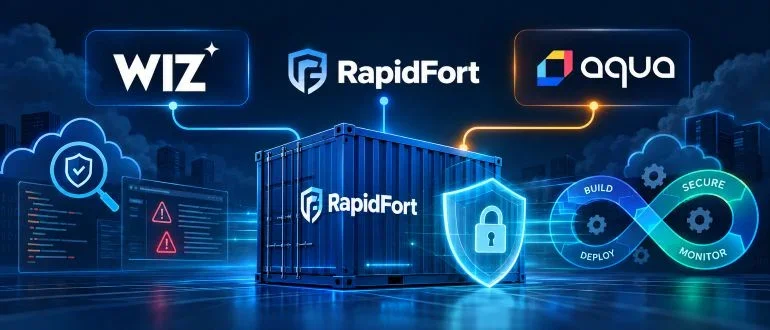
RapidFort is stepping up its efforts to bolster security for cloud-native applications by forming partnerships with Wiz and Aqua Security. These collaborations aim to create a more efficient process for DevSecOps teams, allowing them to quickly transition from identifying vulnerabilities to implementing remediation using curated container images.
Streamlining Security Workflows
With the integration of RapidFort's curated container image advisories into the cloud security platforms provided by Wiz and Aqua Security's Trivy scanner, DevSecOps teams can now more easily locate hardened container images that mitigate vulnerabilities. This integration dramatically cuts down the time spent on security tasks. Michael Wood, RapidFort's Chief Marketing Officer, emphasized that these integrations will provide quick insights on how to address issues flagged by cybersecurity tools, thereby enhancing response times. That's a significant leap forward; a faster response can mean the difference between a contained incident and a full-blown breach.
Aligning with Industry Needs
The latest moves follow a partnership with CrowdStrike, which underscores a growing trend: integrating security recommendations directly into existing tools that development teams use every day. This approach is not merely practical; it’s essential. Organizations often encounter substantial security debt, a phenomenon largely stemming from a history of prioritizing speed over comprehensive vulnerability checks. Developers regularly pull container images from an array of sources without the necessary scrutiny, leading to breaches rooted in known vulnerabilities. It's easy to overlook the risk when you're racing against deadlines.
RapidFort sees a pressing need for enhanced security practices, particularly as cybercriminals increasingly exploit AI technologies to uncover and weaponize vulnerabilities at alarming speeds. The result? Many firms find themselves struggling to keep up with a soaring volume of newly discovered vulnerabilities. The implications are severe: if organizations don't adapt swiftly, they’ll leave themselves open to attacks that are growing increasingly sophisticated.
Cooperation with SpaceWERX
In a noteworthy development, RapidFort has also signed a cooperative research and development agreement with SpaceWERX. This partnership, connecting to the U.S. Space Force, aims to enhance cyber readiness and minimize authorization-to-operate timelines. Such collaborations reflect a strategic focus on advancing security capabilities in defense applications. For RapidFort, this partnership is a clear indicator of ambition; they're not just looking to improve private-sector security but are also aligning their efforts with military standards.
Addressing Maturity Levels
The variability in DevSecOps maturity across organizations poses additional challenges. Few companies have dedicated teams reviewing code, leading to a significant disparity between the number of developers and DevSecOps engineers, which can create bottlenecks. This disconnect is becoming critical as the pace of code generation accelerates, intensifying the challenges of managing security. If you're working in this space, you'll recognize that the failure to address these gaps in maturity can leave organizations vulnerable to attacks that exploit both human and technological weaknesses.
The trajectory of DevSecOps practices is likely to shift as organizations recognize the necessity of integrating thorough security measures into their workflows. Analysts anticipate that as awareness grows about potential vulnerabilities, many teams will actively seek to implement AI-driven tools to strengthen their security protocols. Here’s the thing: organizations that resist this evolution risk falling behind, especially as threats become more dynamic and complex.
Future Outlook
As RapidFort aligns itself with leaders in vulnerability management, the evolution of DevSecOps practices is not merely a question of efficiency but of survival in an increasingly complex security environment. While the future appears daunting, these collective moves signal a commitment to proactive security measures aimed at mitigating vulnerabilities before they can escalate. This is more significant than it looks; organizations that position themselves as security-focused will not only protect themselves better but also gain trust with clients who are increasingly aware of cyber threats.
Implications for the Industry
The partnerships and strategies employed by RapidFort and similar companies have broader implications for the tech industry. As cyber threats evolve, reliance on traditional security measures is no longer sufficient. Developers and security teams must adopt a mindset that prioritizes security at every stage of the development lifecycle. By integrating security directly into existing workflows, organizations can transform how they approach risk management.
This shift isn't just about tools; it’s about cultural change within companies. Team members must cultivate a shared responsibility for security—developers, operations staff, and security professionals alike. Achieving this collaborative mindset could significantly improve an organization's resilience against evolving cyber threats. Expect to see this theme grow in discussions among tech leaders as they navigate these pressing issues.



Discussion
Sign in to join the discussion.