DevOps
Development operations, CI/CD, and automation

A3 Delegation System Uses Agile Practices to Control AI Debt
The A3 framework assigns AI tasks to assist, automate or avoid, with task-specific checks and monthly audits to catch drift.

senro Pipelines: Go Steps, Caching, Monorepo Fan-Out, and Webhook Triggers
A practical look at senro’s Go pipeline patterns, from caching repeated work to targeting changed monorepo modules and filtering webhook runs.

Why Microservices Teams Are Moving Beyond Telemetry Dashboards
Static charts expose symptoms across distributed services, while modern observability aims to help engineers trace latency to its cause.

Databricks Delta Tables in Snowflake: Query Data Without Copying
Delta Lake UniForm, Unity Catalog and private connectivity can give Snowflake read access to Databricks data without a nightly export.

ActiveState and Docker Bundle Hardened Images and Open Source Libraries
The partnership pairs Docker’s hardened container images with ActiveState’s remediated libraries, addressing gaps in software supply chain security.

AI Agent Memory Lineage Can Block Hidden Data Leaks Across Teams
Tracking the data behind cached metrics can close an access-control gap for AI agents, though the added checks carry a measurable query cost.

CI Pipelines Outgrow YAML When Workflow Logic Becomes Code
As CI workflows accumulate conditions, dependencies, retries and loops, YAML can turn into brittle scripts with few tools for debugging.

iPhone PWAs Still Carry Decisions From the Early App Store Era
iOS full-screen web apps arrived in 2008, after the App Store launched. Their history still shapes the code behind today’s iPhone PWAs.

Genkit vs. ADK Go 2.0: Different Approaches to Building AI Applications
Genkit focuses on AI application building blocks; ADK centers on agent orchestration, with both covering common Go development tasks.

Kotlin Tests Offer a Low-Risk Starting Point for Java Teams
Teams can adopt Kotlin incrementally by writing tests for existing Java and Spring applications, gaining language benefits without changing production services.

Java Virtual Threads: Managing Queues, Locks, and Timeouts Under Load
Virtual threads increase concurrency, but production systems still need bounds on queued work, lock duration, and tasks that outlive their callers.
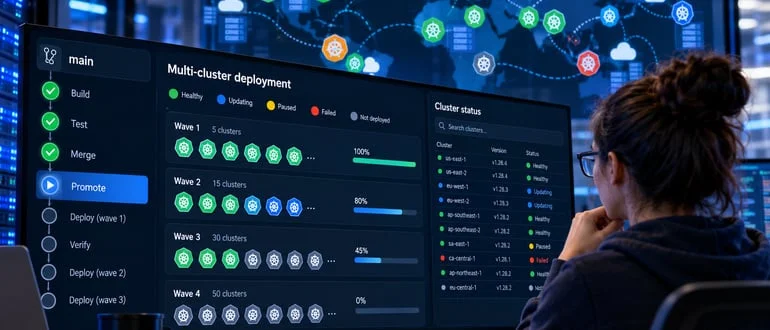
GitOps at Fleet Scale: Why Kubernetes Releases Need Promotion Gates
At hundreds of Kubernetes clusters, syncing changes is only the start. Release promotion adds verification, visibility and controlled advancement between rollout waves.
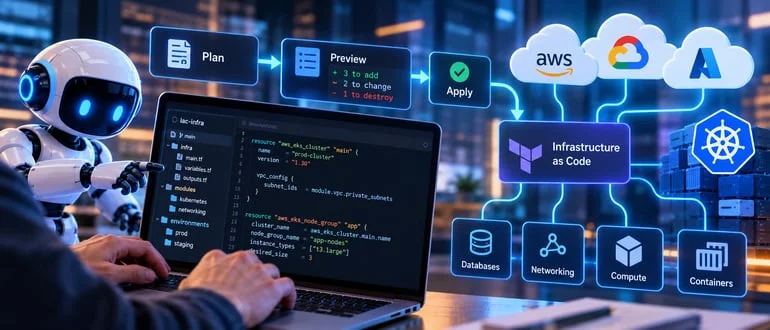
Infrastructure as Code Gives AI Agents a Safer Path to Manage Kubernetes
IaC makes Kubernetes and hybrid infrastructure changes reviewable, helping teams use AI agents while keeping deployment approvals in human hands.

Designing Data Pipelines That Can Explain Every Regulatory Figure
Regulatory reporting pipelines need to trace each figure to its source, show who changed it and explain differences across reporting periods.

Go Services Can Refresh Kubernetes Secrets Without Pod Restarts
Kubernetes config updates often trigger disruptive restarts. The source frames mamori as an alternative for refreshing Go services without discarding live processes.

Unlocking the Power of Complex Event Processing with Apache Flink
Understand how Apache Flink's Complex Event Processing can solve unique data challenges often overlooked by standard stream processing.
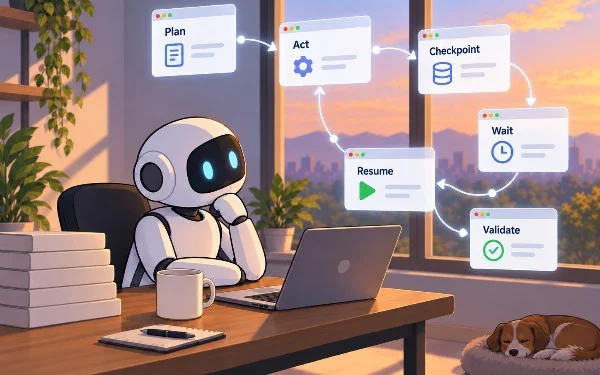
Advancing AI: Designing for Extended Task Performance
AI capabilities are evolving rapidly, highlighting the need for systems to manage long tasks effectively despite changing conditions.

Managing Large-Scale Prometheus Instances: Challenges and Solutions for Overhead
As Prometheus instances grow beyond 900 GB, teams face significant challenges around query timeouts, data management, and operational costs.

Enhancing Kubernetes Deployment Validation: A Two-Minute Transformation
Discover how effective deployment validation in Kubernetes can be streamlined to two minutes, saving time and improving application reliability.
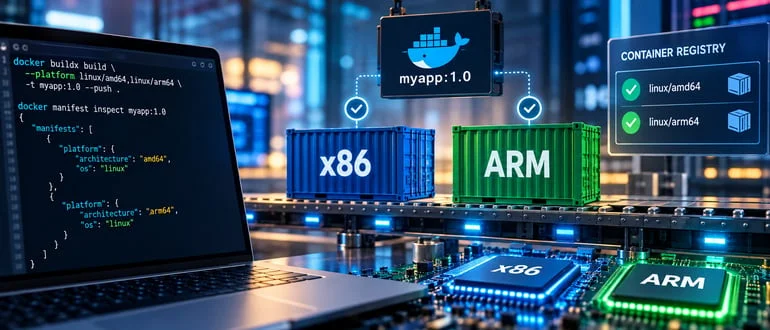
Navigating the Challenges of Migrating Applications to ARM Architectures
Transitioning to ARM architecture requires more than just image builds; thorough testing and dependency audits are vital to avoid production failures.